



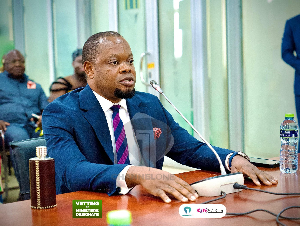
Deputy Attorney General and Minister of Justice, Justice Srem Sai, has sharply criticized the Ghana Bar Association (GBA), accusing it of seeking to circumvent the Constitution with its demand for the reversal of the Chief Justice’s suspension.
The GBA, during its 2025 Mid-Year Conference in Accra, called on President John Dramani Mahama to revoke the suspension, describing it as unconstitutional under Article 146(10) of the 1992 Constitution. In a follow-up interview on Eyewitness News on April 29, GBA’s Public Relations Officer, Saviour Kudze, argued that the absence of regulations guiding the president’s discretionary powers in such cases renders the suspension procedurally flawed.
“There ought to have been regulations—either a constitutional or executive instrument—governing how this discretion is exercised. Without it, the president’s decision lacks legal footing,” Kudze stated.
However, speaking on TV3, Justice Srem Sai dismissed the GBA’s claims as baseless and misleading.
“If a group of lawyers decides to call for the disclosure of matters the Constitution says must remain private, that’s not a legal position—it’s an attempt to undermine the Constitution,” he asserted. “There are clear judicial precedents confirming that the petition, the process, and everything about it should remain confidential.”
Supporting the government’s stance, NDC’s Director of Legal Affairs, Edudzi Tamakloe, stressed that President Mahama acted lawfully.
“There is no constitutional barrier preventing the Council of State from performing its duties once the President has referred a valid petition. The President’s action is backed by law, and any obstruction to this process is what would be unconstitutional,” Tamakloe explained.
The controversy has intensified calls for clarity and potential reforms in how judicial suspensions are handled, especially when constitutional interpretations diverge among key stakeholders.



Copyright © 1994 - 2025 GhanaWeb. All rights reserved.










