



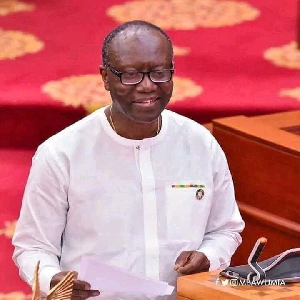
Social Media Erupts as Abdul Rauf Ibrahim Demands Apology for Ken Ofori-Atta, Citing Strong Economic Numbers
A social media post by Abdul Rauf Ibrahim has ignited fierce debate across Ghana, with Ibrahim calling on citizens to issue a public apology to former Finance Minister Ken Ofori-Atta. His argument rests on recent economic data that, in his view, vindicates the embattled ex-minister's record.
In a post on X, Ibrahim highlighted figures from the Ghana Statistical Service showing the economy now stands at roughly GH₵1.2 trillion, with overall growth hitting 5.7 percent. He contended that these numbers reveal a far more robust economic performance than Ofori-Atta's critics had been willing to admit.
The post directly confronts the wave of criticism that engulfed Ofori-Atta during his tenure — criticism fueled by soaring inflation, ballooning public debt, and a punishing cost-of-living crunch that left many Ghanaians frustrated and angry.
Ibrahim insisted the data justifies a fresh look at Ofori-Atta's time in office. He went as far as declaring the former minister the finest to ever hold the finance portfolio. "The criminal-managed economy is valued at GH₵1.2 trillion, with an overall growth rate of 5.7 according to the Ghana Statistical Service. Let's apologise to Ken Ofori-Atta for all the attacks. Man is the best finance minister we ever had," he wrote.
The reaction online has been sharply divided. Some users sided with Ibrahim, arguing that Ofori-Atta's stewardship should be weighed against the backdrop of global economic shocks and domestic headwinds. Others pushed back forcefully, insisting that headline growth figures mean little to ordinary Ghanaians who lived through the hardship of rising prices and squeezed incomes.
Ofori-Atta continues to loom large in Ghana's economic discourse. His defenders point to specific macroeconomic wins, while his detractors keep the spotlight on debt accumulation, management missteps, and the day-to-day struggles of citizens under his watch.
Ibrahim's intervention has breathed new life into the conversation around Ofori-Atta's legacy, leaving many Ghanaians to wrestle with whether time — and the numbers — will eventually deliver a kinder verdict than the court of public opinion did.

Copyright © 1994 - 2026 GhanaWeb. All rights reserved.










