



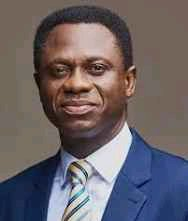
A firm response has been issued by Dennis Miracles Aboagye in defense of the leadership of The Church of Pentecost.
In a Facebook post shared on April 24, 2026, Aboagye rejected claims that questioned the spiritual authority of Apostle Eric Nyamekye. He stated that describing Apostle Nyamekye as “not anointed” is not only incorrect but also shows a lack of respect toward the Church and its members.
According to Aboagye, Apostle Nyamekye’s role as Chairman places him in an important spiritual position, one that requires commitment, discipline, and a strong sense of service. He believes the Chairman has consistently demonstrated these qualities through his leadership and dedication to Christian work. In his opinion, remarks that challenge his spiritual standing weaken the confidence and values that members associate with their faith.
The reaction underscores how sensitive issues surrounding religious leadership can be in Ghana, where churches and faith-based institutions continue to influence many aspects of society. For a large number of believers, religious leaders represent more than administrators—they are viewed as individuals called to guide others spiritually. Because of this, criticism directed at such figures often triggers intense public debate.
Aboagye’s comments have since generated mixed reactions across social media platforms. Some users have expressed support for his defense, agreeing that religious leaders should be treated with dignity. Others, however, have argued that public figures, including church leaders, should be open to questioning and differing opinions.
The ongoing conversation highlights a wider concern about the tone of public discussions, especially when religion and personal beliefs are involved. Many observers suggest that while freedom of speech is important in a democratic society, it should be exercised with care and respect for individuals and institutions.
In the end, the situation serves as a reminder of the importance of maintaining respectful communication when addressing religious matters. It also reflects the deep attachment many Ghanaians have to their faith and the leaders who guide their spiritual lives.

Copyright © 1994 - 2026 GhanaWeb. All rights reserved.










