



In today’s fast‑evolving technology landscape, certifications validate practical skills and enhance professional credibility. Cloud computing, data engineering, and platform‑specific development have emerged as some of the most sought‑after areas in IT. Professionals aiming to grow their careers often look toward credential pathways that demonstrate real mastery of tools and services used in enterprise environments. This article explores the value of three key certifications — a major Azure data engineering exam and a specialized Salesforce developer credential — while also highlighting broader trends in high‑demand Microsoft certifications. Along the way, we naturally reference learning resources from ExamLabs.com that can help candidates prepare for their certification journeys.
Understanding the Azure Data Engineer Certification — DP‑203
The DP‑203 certification, formally known as Data Engineering on Microsoft Azure, assesses a candidate’s ability to design and implement scalable data solutions using Azure services. This credential sits at the intersection of data architecture, pipeline development, and operational reliability — essential competencies for modern data professionals.
DP‑203 covers practical tasks such as ingesting data from multiple sources, managing both structured and unstructured datasets, and optimizing storage for performance and cost. Candidates are expected to work with services like Azure Data Factory, Azure Synapse Analytics, Azure Data Lake Storage, and others that form the backbone of cloud‑native data platforms.
Unlike more theoretical certifications, DP‑203 tests real‑world implementation — from choosing the right data processing pattern to setting up monitoring and alerting for ongoing operations. This focus on tangible engineering skills makes DP‑203 particularly valuable for professionals who want to move beyond analytics and into engineering roles where they control the lifecycle of data flows.
The Role of Azure Data Engineers in Today’s Market
As organizations shift to cloud‑first strategies, the role of the data engineer has become central to delivering actionable insights. Companies across industries — from retail to healthcare — rely on structured data pipelines to support reporting, machine learning, and operational dashboards. Certified Azure data engineers play a key role in ensuring that these pipelines are not only efficient but also secure and cost‑effective.
The practical nature of DP‑203 means that those who earn the credential often have a portfolio of real tasks and projects to discuss in interviews. This can include designing a data ingestion framework, implementing incremental updates, or automating data quality checks — scenarios that mirror daily responsibilities in many enterprise environments.
Exploring Top Microsoft IT Certifications for Career Growth
While DP‑203 is a role‑based specialist credential, there are other Microsoft certifications that remain in high demand across the IT industry. Comprehensive lists of in‑demand credentials highlight roles that range from foundations to advanced cloud and security expertise.
The Azure Fundamentals certification is widely regarded as an excellent starting point for cloud beginners, introducing core concepts like cloud models, core services, and basic security principles. As cloud adoption grows, foundational knowledge helps professionals confidently pursue more advanced paths.
For those already working with cloud infrastructure, credentials such as Azure Administrator, Azure Solutions Architect, and various security‑focused exams remain popular. These certifications demonstrate an ability to implement, manage, and secure cloud environments — skills organizations value as they scale cloud adoption.
Combining multiple certifications across different domains — like cloud administration and cloud security — can create versatile profiles that appeal to employers seeking professionals who can handle complex, integrated environments.
Certified B2C Commerce Developer: A Specialized Salesforce Credential
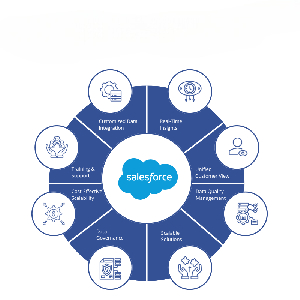
Aside from cloud‑centric Microsoft credentials, there is growing demand for platform‑specific developer certifications. One such example is the Salesforce Certified B2C Commerce Developer exam, which validates expertise in building and managing commerce‑centric solutions using Salesforce’s B2C Commerce platform.
This credential is particularly relevant for developers working in e‑commerce environments. It covers aspects such as store customization, development patterns, and understanding the architecture that supports customer‑facing commerce experiences. While not a Microsoft exam, it demonstrates how specialization on other major enterprise platforms can complement cloud skills, especially in roles bridging data, development, and customer solutions.
Preparing for this type of exam typically involves understanding backend logic, learning how to extend platform capabilities, and gaining familiarity with concepts like merchandising, content management workflows, and performance optimization — all key components of successful B2C commerce implementations.
Read more: https://www.examlabs.com/certified-b2c-commerce-developer-exam-dumps
Why Certifications Matter in IT Career Planning
Certifications serve multiple purposes in professional development. They provide structured learning paths that help individuals build both breadth and depth in technical skills. They also signal to employers that a candidate has achieved a verified level of expertise that aligns with specific job roles.
In competitive job markets, certified professionals often stand out because their credentials reduce the uncertainty that hiring managers face. A certification like DP‑203 tells an employer that a candidate can design and implement data pipelines, while a commerce‑focused credential signals capability in building e‑commerce applications. When combined, these credentials indicate a versatile, well‑rounded professional.
Investing in continuous learning also helps professionals stay relevant as technologies evolve. Cloud platforms regularly introduce new services and capabilities, and certifications encourage candidates to stay up to date with best practices and innovations.
Effective Strategies for Preparing for Certification Exams
Effective exam preparation goes beyond memorizing questions. It involves hands‑on experience, understanding architectural principles, and applying concepts to real scenarios. Combining official learning modules with practical work in cloud environments or development platforms deepens understanding and builds confidence. Integrating study resources with project‑based learning helps candidates contextualize theoretical knowledge and demonstrate real capabilities.
Practice exams, study groups, and guided labs are also valuable study tools. They help individuals identify areas where they need improvement, reinforce understanding of key concepts, and simulate exam conditions. Even if practice materials are useful for familiarizing with question formats, combining them with experiential learning ensures a more robust preparation.
Explore more: https://www.examlabs.com/certification/top-5-most-in-demand-microsoft-it-certifications-for-2024/
Frequently Asked Questions (FAQs)
What skills does the DP‑203 certification validate?
DP‑203 evaluates a candidate’s ability to design, implement, and optimize Azure‑based data engineering solutions, focusing on ingestion, storage, transformation, and operational monitoring.
Is prior experience necessary before attempting DP‑203?
While hands‑on experience helps, dedicated study and practical labs can build confidence. Familiarity with SQL and cloud data tools significantly improves preparation outcomes.
Can one pursue multiple certifications simultaneously?
Yes, many professionals prepare for foundational and advanced exams in tandem, though structured planning helps manage study time effectively.
How do certifications impact salary and job prospects?
Certifications can increase credibility and marketability, often leading to broader job opportunities and potential for higher compensation.
Are platform‑agnostic skills valuable alongside cloud certifications?
Absolutely. Skills from platforms like Salesforce complement cloud expertise, especially when roles involve integrated customer or commerce solutions.
Conclusion
Certifications remain an integral part of building a successful career in technology. Whether you are targeting cloud data engineering through exams like DP‑203 or expanding your expertise into commerce‑oriented development with platform‑specific credentials, each certification contributes to a stronger, more versatile professional profile. Staying strategic in your certification path — combining foundational knowledge, practical experience, and specialized skills — can open doors to advanced roles and meaningful growth in an increasingly competitive IT landscape.

Copyright © 1994 - 2026 GhanaWeb. All rights reserved.










