



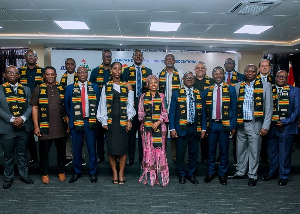
 The concerns were raised at the 4th AGM of ANIA
The President of the Ghana Insurers Association (GIA), Boatemaa Bafuor-Awuah, has warned that insurance penetration across Africa remains critically low at about three percent, far below the global average of roughly 7.4 percent, highlighting the urgent need for stronger collaboration, innovation and public awareness to expand coverage.
She stressed the importance of seamless cross-border market participation, noting that many of the challenges confronting insurance markets across the continent are similar.
The concerns were raised at the 4th Annual General Meeting and Conference of the Africa Network of Insurers Associations (ANIA), currently taking place in Accra, where regulators, insurers, brokers and policymakers are meeting to chart strategies for strengthening Africa’s insurance sector.
Chairing the opening ceremony, Ghana’s Commissioner of Insurance, Dr Abiba Zakariah, said the continent’s low penetration rate reflects persistent structural challenges within the industry.
GUTA kicks against NIC's local cargo insurance directive
According to her, Africa’s insurance coverage remains significantly below global levels due to limited financial literacy, low demand for insurance products and lingering mistrust of insurance services among segments of the public.
Dr Zakariah said the gap highlights the urgent need for industry stakeholders to intensify efforts to build confidence in insurance products and improve public understanding of the sector.
The five-day conference, which opened at the Insurance House on March 9, 2026, has brought together regulators, insurance companies, brokers, industry associations and development partners to discuss the challenges and opportunities shaping Africa’s insurance landscape.
Dr Zakariah noted that ANIA, established in 2022 and ratified by the African Insurance Organisation in 2023, serves as an important platform for collaboration among insurers’ associations across the continent.
She said the network enables members to share knowledge and develop strategies aimed at strengthening insurance markets and improving industry resilience.
Despite the opportunities, she pointed to several structural weaknesses within the sector, including the limited financial capacity of many local insurers to underwrite large or complex risks.
This situation, she said, often forces insurers to rely heavily on foreign reinsurers, leading to significant outflows of reinsurance premiums from Africa.
Dr Zakariah also highlighted the slow pace of innovation within the industry, noting that many insurers continue to depend on traditional distribution channels that may not adequately respond to emerging risks and evolving consumer needs.
The Director of the Financial Sector Division at Ghana’s Ministry of Finance, Louis Kwame Amo, reaffirmed the government’s commitment to strengthening the country’s financial sector and supporting the development of a resilient insurance industry.
He said insurance plays a critical role in protecting individuals and businesses against risks, mobilising long-term savings and supporting economic growth.
Amo emphasised the need for strong regulatory frameworks, innovation and closer collaboration among industry players to address the challenges facing the sector.
Meanwhile, ANIA President Josan Kissakye of Uganda called for deeper collaboration among insurers across the continent, identifying insurance fraud as one of the major challenges that requires a coordinated response.
Countries represented at the opening session included Ghana, Uganda, Kenya, Mauritius and Zimbabwe.
Other organisations that shared perspectives on Ghana’s insurance sector included the Insurance Brokers Association of Ghana, the Chartered Insurance Institute of Ghana, the Insurance Awareness Coordinators’ Group, the Ghana National Bureau of the ECOWAS Brown Card Insurance Scheme and the West African Insurance Companies Association.
Participants at the conference called for greater innovation, stronger partnerships and sustained market development efforts to build a more resilient and inclusive insurance industry capable of supporting Africa’s economic growth.

Copyright © 1994 - 2026 GhanaWeb. All rights reserved.










