



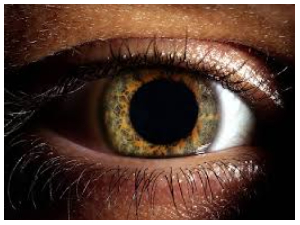
 File photo of an eye
Eye pressure, medically called Intraocular Pressure (IOP), refers to the pressure created by the fluid inside your eye.
This pressure helps the eye keep its round shape and allows it to function properly.
This article provides some further insights on what eye pressure is other things you should about it.
But first, it is worth mentioning that high pressure can signal ocular hypertension or glaucoma, damage the optic nerve and cause vision loss, while low pressure (hypotony) can also be problematic.
Cataract 'blinds' 165,000 Ghanaians, Glaucoma threatens 60,000 more - GHS warns
What causes eye pressure?
Inside the eye is a clear fluid called aqueous humour. It is continuously produced and drained.
High eye pressure happens when the fluid does not drain well or is produced in excess, while normal eye pressure occurs when fluid production and drainage are balanced.
Low eye pressure, on the other hand, occurs when too much fluid drains out or after eye injury or surgery.
What is considered normal?
Normal eye pressure usually ranges between 10 and 21 millimetres of mercury (mmHg).
Pressure above this range is considered high, but high pressure alone does not automatically mean glaucoma.
Ghanaians urged to take proactive measures against glaucoma
High eye pressure can damage the optic nerve, which sends visual information from the eye to the brain.
Over time, this damage can lead to glaucoma, a serious eye disease that can cause irreversible blindness if not detected early.
Symptoms
High eye pressure typically does not have noticeable symptoms in its early stages, which is why glaucoma is often called the ‘silent thief of sight.’
Most people with high eye pressure do not notice symptoms.
However, in some cases, these symptoms can be noticed:
• Eye pain or pressure
• Headaches
• Blurred vision
• Seeing halos around lights
• Redness of the eye
Sudden severe symptoms may indicate acute glaucoma, which is a medical emergency.
Eye pressure is measured using a test called tonometry, usually during a routine eye examination.
This test is painless and quick.
Who is at higher risk?
One may be at higher risk of eye pressure problems if the person is:
• Over 40 years old;
• Has a family history of glaucoma;
• Has diabetes or high blood pressure;
• Uses steroid medications for long periods;
• Have had eye injuries.
Can eye pressure be treated?
Treatment depends on the cause and severity, and it may include:
• Eye drops to reduce fluid production or improve drainage;
• Oral medications;
• Laser treatment;
• Surgery in advanced cases.
Can eye pressure be controlled?
Eye pressure can be controlled by regular eye check-ups (especially after age 40), use of prescribed eye drops consistently, avoiding self-medication with steroid eye drops and managing underlying conditions like diabetes and hypertension.
Conclusion
Eye pressure, when it becomes too high, can silently damage vision.
Regular eye exams are the best way to detect problems early and protect your sight.
MRA/AE
Which party leaves government with its finance minister missing – Ex Subin MP loses cool on Ofori-Atta

Copyright © 1994 - 2026 GhanaWeb. All rights reserved.










