



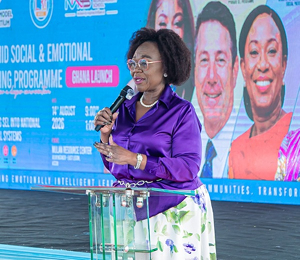
 Dr Mariam Kpakpa is the Chief Director of the Gender Ministry
The Ministry of Gender, Children and Social Protection has called for a more inclusive and evidence-based approach to addressing the social and emotional development needs of children across Ghana.
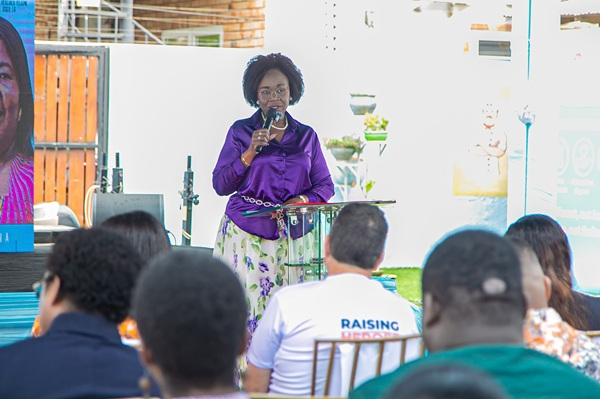
Speaking at the launch of the Pyramid Social and Emotional Learning Programme under the theme, “Transforming Social and Emotional Learning in Ghana,” at the Mulan Resource Centre, the Chief Director of the Ministry, Dr Mariam Kpakpa, stressed the need for stakeholders to place children at the centre of every intervention and policy decision.
According to her, while the initiative presents an opportunity to improve social and emotional learning outcomes for children, its success will depend on how effectively it aligns with existing national systems and reaches vulnerable groups.
Amnesty Ghana, Gender Ministry discuss progress of Anti-Witchcraft Accusations Bill
Dr Kpakpa further urged implementing partners to ensure that the programme complements existing national education, early childhood development, child protection and social welfare frameworks rather than creating parallel structures.
She also highlighted the need for continuous capacity-building for teachers, caregivers and practitioners, noting that one-off sensitisation programmes are insufficient to change professional practices.
“Teachers, caregivers and other practitioners require practical training, coaching and continuing support. One sensitisation programme is not enough to sustain professional practice change,” she stated.
The Chief Director further emphasised the importance of inclusion, urging stakeholders to pay special attention to children with disabilities, those with special educational needs and children from vulnerable households.
She noted that behavioural challenges among children should not automatically be viewed as misconduct but rather as possible signs of emotional distress or unmet support needs.
“In such a Ghana, a child with challenging behaviour is not simply labelled as a problem child. Instead, we ask what the child is communicating, what support is needed and how best we can respond,” she said.
Dr Kpakpa also called for a strong monitoring and evaluation framework to assess the effectiveness of the programme.
According to her, stakeholders must systematically measure outcomes to understand not only whether the intervention is working but also how it works, where it works best and what adaptations may be required within Ghana's unique context.
Gender Minister monitors LEAP beneficiary enrolment in Northern Region
She stressed that evidence generated from the programme should inform future policy decisions and guide any plans for broader national implementation.
Dr Kpakpa concluded by encouraging partners, including the Mulan Group and the Pyramid Model Consortium, to view the launch not as the end of a project but as the beginning of a long-term learning process.
She called for closer collaboration with government institutions, educators, families and communities while urging stakeholders to prioritise inclusion, transparency and evidence-based decision-making.
“Above all, keep the child, and not the programme, at the centre of every decision,” she said.
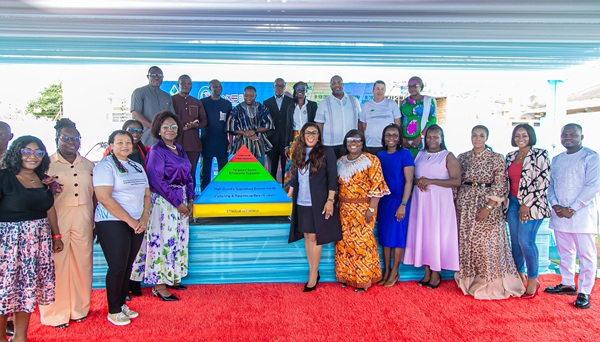
The Pyramid Social and Emotional Learning Programme seeks to strengthen the emotional, behavioural and social development of children, equipping them with the skills needed to thrive both in school and in life.
JHM
AROUND TOWN: Are Toyota Voxy vehicles fit for Ghana’s roads?

Copyright © 1994 - 2026 GhanaWeb. All rights reserved.










