



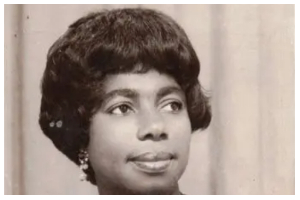
 The late Mabel Dove Danquah was a journalist, political activist, and writer
Mabel Dove Danquah was a journalist, political activist, and writer, recognised as one of the first women in West Africa to make significant contributions to journalism and politics.
She used her voice and platform not only to inform but to challenge injustice and advocate for the empowerment of women during a transformative period in the Gold Coast era.
In the 1930s, when journalism was dominated by males, she broke barriers by contributing to The Times of West Africa.
Through her writings, she addressed social inequality, colonial domination, and the urgent need for self-governance.
She demonstrated that journalism could be more than reporting events, it could be a tool for mobilising thoughts and shaping public discourse.
She started writing for The Times of West Africa, Ghana's first daily newspaper, which was founded and owned by Dr J B Danquah, a lawyer and statesman who strongly advocated fundamental human rights while denouncing foreign dominance.
Through the column "Ladies Corner, her articles won her great public popularity, she dared women to derive inspiration from the suffragists, to denounce imperialism, and to fight for their rights.
Dove Danquah also won the admiration of the JB Danquah, whom she eventually married in 1933.
However, the marriage did not survive Danquah's prolonged absence during the period 1934–36 when he was in England as secretary of the Gold Coast delegation and the couple divorced in the mid-1940s.
Dove-Danquah and Akua Asabea Ayisi, another female journalist at the time worked side by side with Ghana's first President, Dr Kwame Nkrumah on the Accra Evening News, a pre-independence anti-colonial newspaper, writing articles, demanding independence and exposing themselves to the risks at that time.
In 1949, she further strengthened her commitment to women’s advancement by founding the Women’s Association of the Gold Coast.
The organisation championed women’s suffrage and equal opportunities at a time when women’s political participation remained limited. Her efforts contributed to expanding the space for Ghanaian women in governance and national development.
She joined the campaign for the end of British rule and immediate self-government for the Gold Coast.
Dove created the awareness and the need for self-governance through her works. In the general election of 1954, she was committed to organising women for the Convention People's Party (CPP), and she was subsequently put up as a CPP candidate for Ga Rural constituency, which she won.
Her election made her the first female member of the Legislative Assembly of the Gold Coast and the first African woman elected to an African Legislative Assembly.
Danquah also became an influential voice within the broader Pan-African movement, engaging with thinkers and activists who were reimagining Africa’s future beyond colonial rule.
Her work positioned her as both a national reformer and a continental advocate for equality.
How Mabel Dove Danquah shaped journalism and women’s empowerment
Mabel Dove Danquah was a journalist, political activist, and writer, recognised as one of the first women in West Africa to make significant contributions to journalism and politics. At a time when public discourse was dominated by men and colonial interests, she used her voice not only to inform but to challenge injustice and advocate for the empowerment of women during a transformative period in the Gold Coast.
In the 1930s, when journalism was largely male-dominated, she broke barriers by contributing to The Times of West Africa, Ghana’s first daily newspaper, founded and owned by J B Danquah. The paper strongly advocated fundamental human rights and denounced foreign domination.
Through her column, “Ladies Corner,” her articles won her significant public popularity. She challenged women to break with convention, draw inspiration from suffragists, denounce imperialism, and fight for their rights. Her writing tackled social inequality, colonial rule, and the urgent need for self-governance, demonstrating that journalism could be more than reporting events — it could mobilise thought and shape public opinion.
March 4, 1957: The day Martin Luther King Jr touched down in the Gold Coast
Her boldness and intellect earned her the admiration of J B Danquah, whom she married in 1933. However, the marriage did not survive his prolonged absence between 1934 and 1936, when he was in England as secretary of the Gold Coast delegation. The couple eventually divorced in the mid-1940s.
Dove Danquah later worked alongside Akua Asabea Ayisi and Ghana’s first President, Kwame Nkrumah, on the Accra Evening News a pre-independence anti-colonial newspaper. Through their writings, they demanded independence and exposed themselves to considerable personal and political risks.
Her activism extended beyond journalism. In 1949, she founded the Women’s Association of the Gold Coast, which championed women’s suffrage and equal opportunities at a time when women’s political participation remained limited. She also joined the campaign for the end of British rule and immediate self-government for the Gold Coast, using her writing to create awareness about the need for independence.
In the 1954 general election, she played a key role in organising women for the Convention People's Party and was subsequently presented as the party’s candidate for the Ga Rural constituency. She won the seat, becoming the first female member of the Legislative Assembly of the Gold Coast and the first African woman elected to an African Legislative Assembly.
Ghana Month Series: Watch how Ghanaians celebrated 10th Independence Day at Labadi Beach
Danquah also became an influential voice within the broader Pan-African movement, engaging with thinkers and activists who were reimagining Africa’s future beyond colonial rule. Her work positioned her as both a national reformer and a continental advocate for equality.
Here is a brief profile of Mabel Dove Danquah
She attended Annie Walsh Memorial School in Freetown, Sierra Leone.
Dove Danquah furthered her education in England at the Anglican Convent in Bury St Edmunds and at St Michael's College, Hurstpierpoint, where she took a secretarial course despite her father’s objections.
She later returned to Freetown, where she helped establish a women’s cricket club, participated in the local dramatics society, and read extensively before returning to the Gold Coast at the age of 21.
Professionally, she worked as a shorthand typist with Elder Dempster for eight years, later transferring to GB Ollivant, and subsequently serving as a manager with AG Leventis.
She passed away in 1984.
JKB/VPO
Ayawaso East By-Election: Low voter turnout recorded at St. Kizito polling station



Copyright © 1994 - 2026 GhanaWeb. All rights reserved.










