



 The league table serves as a performance benchmarking tool
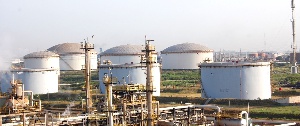
Management of the Tema Oil Refinery (TOR) has expressed appreciation for its ranking as the second-best institution in the Public Financial Management (PFM) Compliance League Table released by the Ministry of Finance.
The management described the recognition as a significant milestone in the refinery’s history, attributing the achievement to the collective effort of staff and stakeholders.
“We are pleased to announce to the general public our recognition as the second-best institution in the Financial Management Compliance League Table released on March 19, 2026, by the Ministry of Finance,” a statement from TOR said.
It added that the achievement reflected adherence to sound financial management practices and commitment to accountability.
“On behalf of management, Tema Oil Refinery extends its gratitude to all staff and stakeholders for their collective effort in achieving this historic milestone,” the statement noted.
The refinery reaffirmed its commitment to maintaining high standards of compliance and good corporate governance.
The Tema Oil Refinery was ranked second after the Environmental Protection Authority (EPA), while the Ministry of Energy and Green Transition placed third.
The league table, launched on March 19, 2026, is a transparency and accountability initiative aimed at strengthening fiscal discipline and improving the management of public resources across government institutions.
A statement issued by the Ministry of Finance explained that the PFM Compliance League Table fulfils the government’s commitment in the 2025 Budget Statement to publish an objective, evidence-based assessment of how public institutions comply with the Public Financial Management Act, 2016 (Act 921), its regulations and related laws.
The league table serves as a performance benchmarking tool, measuring the extent to which public institutions adhere to established financial management rules and procedures.
It ranks institutions based on their level of compliance, with the aim of deepening transparency, promoting accountability, and encouraging continuous improvement in the use of public funds.
The Ministry noted that the rankings also highlight institutions with compliance gaps, underscoring the need for targeted corrective actions and stronger enforcement measures.

Copyright © 1994 - 2026 GhanaWeb. All rights reserved.










