



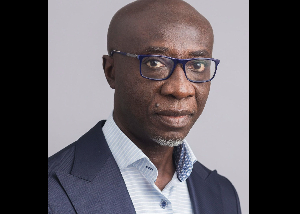
 Prof Kwadwo Appiagyei-Atua is a professor of International Law and Human Rights
International Law and Human Rights professor at the University of Ghana School of Law, Kwadwo Appiagyei-Atuah, has cautioned that implementation of the United Nation's resolution on reparatory justice will be difficult.
According to him, the difficulty stems from the position taken by global powers during the voting at the UN General Assembly, where key countries either voted or abstained.
"The big powers voted against us or abstained, and that is how the UN General Assembly resolutions and declarations work. We have been there before in the 1970s. The new independent states at the time introduced the new international economic order and ingrained in that is the same issue of slavery and colonialism and so on.
"It came to naught because the big powers, the former colonial masters voted against it. And in that is the case, implementation becomes difficult", he remarked in an interview on JoyNews on March 26, 2026.
Why US voted against Ghana’s resolution to declare slavery a crime against humanity
Prof Appiagyei-Atua also noted that while the resolution represents an important step symbolically, its lacks a legal backing making enforcement difficult.
"It is not binding on them, legally binding on them, and even if it is legally binding on them, international law is difficult to implement. So, in that case, if they refuse to comply, there is nothing you can do against them because of the power they hold on the international stage", he remarked.
The law professor described the resolution as largely a, "moral victory', stating that while it raises awareness and reinforces calls for justice, translating it into concrete outcomes such as reparations may prove elusive.
Breakdown of Vote on Ghana’s UN Slavery Motion: The countries who voted no and 53 who abstained
The UN General Assembly on March 25, 2026, adopted a resolution declaring the trafficking of enslaved Africans “the gravest crime against humanity” and calling for reparations as “a concrete step towards remedying historical wrongs.”
The resolution which was championed by President John Dramani Mahama also urges “the prompt and unhindered restitution” of cultural items, including artworks, monuments, museum pieces, documents and national archives — to their countries of origin without charge.
The vote in the 193-member world body was 123-3, with 52 abstentions.
Argentina, Israel and the United States were the member states that opposed the resolution.
JKB/VPO
Tension in UK Parliament over Ghana's slavery reparations push at UN

Copyright © 1994 - 2026 GhanaWeb. All rights reserved.










