



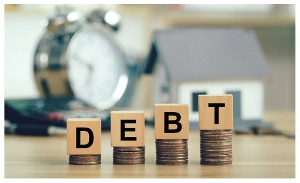
 Bad loans or bad debt are not only limited to financial institutions
The Bank of Ghana, in its Domestic Money Banks Income Statement, revealed that commercial banks in Ghana wrote off GH¢1.39 billion in bad loans over the last ten months of 2025 as part of efforts to manage financial risks in the economy.
Bad debts or loans significantly affect the finances of every economy and can weaken the financial landscape of the cash market.
Bad loans or bad debt are not limited to financial institutions. Whether you are a seasoned business owner or a start-up, understanding the processes and implications of loan write-offs is essential.
This GhanaWeb Business article aims to help businesses and financial contributors understand what bad debt entails and, in particular, how to write off bad loans.
Bad loans or debt refer to outstanding amounts on bills that remain unpaid and are deemed unrecoverable.
On the other hand, a bad debt write-off is the accounting process by which a company removes an uncollectible customer debt from its books as an expense, recognising it as a loss.
This ensures accurate asset valuation and compliance with accounting and tax rules.
Adhering to proper procedures for writing off bad debts is essential for businesses to maintain compliance with accounting standards and tax regulations.
Writing off bad debts is crucial for maintaining accurate financial reporting, as it reflects the true value of accounts receivable.
However, this process can significantly impact a company’s financial performance and balance sheet.
GH¢654.2 million in bank loans written off in early 2025 – BoG report
Accounting for bad debt is, therefore, essential for making informed business decisions and ensuring the accuracy of financial statements.
How to write off bad debts
1. Assess the debt
Carefully evaluate the debt to determine its collectability. This involves examining the debtor’s financial situation and considering factors such as payment ability, past payment history, and legal processes.
2. Review options
Always consider alternative options before deciding to write off debt. Exploring alternatives such as debt restructuring or settlement negotiations may allow you to recover some or all of the outstanding amount.
3. Documentation
Document all communication and actions taken regarding the bad debt. This establishes an accurate timeline of events and demonstrates your commitment to resolving the issue responsibly.
4. Seek professional advice
Consulting professionals can help address uncertainties and ensure that decisions align with your company’s financial goals.
Knowing how to write off bad debt is important for any financial start-up. It strengthens capital position and improves asset quality amid cautious lending conditions.
SP/AE
DVLA set to go global with licensing services in USA, Germany, other countries
DVLA boss hits back at VEMAG over cancellation of alleged contract

Copyright © 1994 - 2026 GhanaWeb. All rights reserved.










