



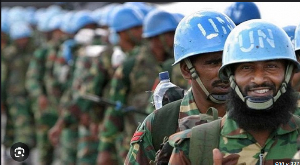
 According to the concerns raised, soldiers are reportedly prohibited from shopping
Concerns have been raised over an internal policy affecting Ghanaian peacekeepers serving with the United Nations Interim Force in Lebanon (UNIFIL), with calls for the Ghana Armed Forces High Command to urgently review practices described as exploitative and demoralising to personnel.
Ghanaian troops deployed in southern Lebanon are widely regarded as a symbol of the country’s commitment to global peace and security.
However, emerging accounts from within the mission suggest that certain administrative and welfare policies may be placing undue financial and emotional strain on personnel.
According to the concerns raised, soldiers are reportedly prohibited from shopping in local Lebanese towns under an embargo imposed by the battalion command.
At the same time, a leave policy introduced to allow personnel a one-month break from deployment requires soldiers to pay for their own round-trip airfare, estimated at about US$700.
Further allegations indicate that personnel proceeding on leave are barred from travelling with personal items not purchased from the Ghana Battalion’s Point of Exchange (PX) in Lebanon.
Critics argue that this effectively forces soldiers to rely solely on the battalion’s PX, which is said to have limited stock and comparatively higher prices than goods available in the local community.
As a result, soldiers who independently purchase items—such as gifts for family members—are allegedly compelled to leave them behind at the base or abandon such purchases altogether, despite having paid for their leave travel with personal funds.
Sources familiar with the matter also claim that personnel are issued their requested flat amount of earned income only two days before departure, a move critics say restricts financial planning and reinforces dependence on the battalion PX.
Observers argue that the policy goes beyond operational or security considerations and instead creates what they describe as a “captive market” for the PX, raising questions about pricing, profit structures and the overall welfare of deployed personnel.
“This is not just an administrative issue; it is a morale and dignity issue,” one source noted, adding that such practices risk undermining trust within the ranks and tarnishing Ghana’s reputation as a professional peacekeeping nation.
In response to the concerns, stakeholders are calling on the Ghana Armed Forces High Command to intervene by investigating the operations of the battalion PX, lifting restrictions on local shopping, allowing soldiers on leave to travel with legally acquired personal items, and reviewing the timing of earned income payments to ensure fairness.
As Ghana continues to play a key role in international peacekeeping, analysts say ensuring the welfare, dignity and financial autonomy of deployed troops is essential to sustaining morale and operational effectiveness.
The Ghana Armed Forces has yet to publicly respond to the allegations.

Copyright © 1994 - 2026 GhanaWeb. All rights reserved.










