



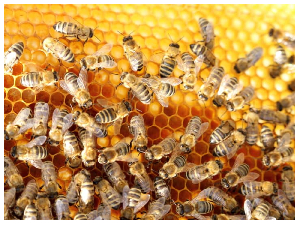
 File photo of bees
A recent fatal bee attack on a final-year student at AME Zion Girls’ Senior High School in Winneba has put the spotlight on the risks associated with bees, especially in populated areas like schools.
The most recent incident reportedly occurred on March 18, 2026 around 5:00 pm on the school premises, where the student was stung by the bees.
She was rushed to the Winneba Trauma and Specialist Hospital but was pronounced dead in the early hours of March 19, 2026, while receiving treatment.
While such incidents are not common, they can turn deadly in some instances.
This article provides insight into what to do and what to avoid when one encounters a bee attack.
What are bees?
Bees are flying insects known for producing honey and, more importantly, pollinating crops and plants.
They play a vital role in food production and the environment.
Despite their importance, bees can become dangerous when they feel threatened.
Why do bees attack?
Bees attack mainly to defend their colony not because they are naturally aggressive.
Swarm Terror: 5 times bee attacks caused panic and casualties
Why bees attack?
• Disturbing a hive in trees, roofs, or buildings
• Bush clearing, farming, or construction
• Loud noise and vibrations
• Strong smells like perfumes or chemicals
• Sudden movements or dark clothing
Once one bee stings, it releases a chemical signal that attracts others, leading to a swarm attack.
What makes bee attacks dangerous?
A single sting is usually painful but harmless. The real danger comes from multiple stings or an allergic reaction to sting.
Multiple stings
During an attack, victims can be stung dozens or even hundreds of times within seconds.
Severe allergic reactions
Some people develop Anaphylaxis, which can cause:
• Difficulty breathing
• Swelling of the face or throat
• Dizziness or fainting
This condition can be fatal without immediate medical attention.
What happens during a bee swarm attack
• A hive is disturbed
• Guard bees release alarm pheromones
• Hundreds of bees respond and attack
• The swarm targets exposed areas like the face and head
This is why attacks in schools or crowded places can escalate quickly.
4 police officers among 41 injured in bee attack at Gomoa East
What to do if bees attack you
Stay alive: act fast
• Quickly run and hide away into an enclosed place immediately
• Cover your face (eyes, nose, mouth)
• Find shelter indoors (car, classroom, building)
• Keep moving until the bees stop following
Avoid:
• Jumping into water
• Swatting aggressively
• Lie flat on the ground facing downward
What to do after a bee sting
• Remove the stinger quickly (scrape it off don’t squeeze)
• Wash the area with soap and water
• Apply a cold compress
• Seek medical help if there are many stings or signs of a severe reaction
Why schools and communities are at risk
Recent incidents in Ghana show that bees often nest in:
• Trees within school compounds
• Roofs of buildings
• Bushy or abandoned areas
Activities like pruning, construction, or even playing under trees can unknowingly trigger attacks.
How to prevent bee attacks
For individuals:
• Stay away from bee hives
• Avoid strong scents outdoors
• Wear light-coloured clothing
For schools and communities:
• Inspect surroundings regularly
• Remove hives early by employing the service of professionals
• Educate people on emergency response
Bees are essential to life and agriculture, but they can be dangerous when provoked.
The Winneba tragedy is a reminder that awareness, prevention, and quick action are key to avoiding deadly outcomes.
MRA/VPO
Meanwhile, watch as Dr Nyaho-Tamakloe scores Mahama govt high, only next to Nkrumah’s in the video below:

Copyright © 1994 - 2026 GhanaWeb. All rights reserved.










