



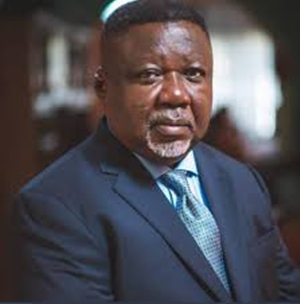
 Dr Samuel Nii Noi Ashong is a Senior Policy Advisor for Fiscal Management at MoF
A Senior Policy Advisor for Fiscal Management at the Ministry of Finance, Dr Samuel Nii Noi Ashong, has outlined a strategic roadmap to enhance Ghana’s export competitiveness and reduce its trade deficit with China.
According to him, Ghana’s greatest opportunities lie in industrial value-addition, particularly through the local processing of raw materials such as cocoa into finished goods.
Speaking at a forum organized by the Ghana-China Friendship Association (GHACHIFA) on the theme “Dialogue on China-Africa Zero Tariff”, he noted that standardization and certification is critical to meeting Chinese quality requirements.
Dr Ashong further proposed the establishment of agro-processing zones equipped with modern logistics and cold storage systems, alongside targeted foreign direct investment (FDI) to encourage Chinese participation in manufacturing and technology transfer.
PURC cuts electricity, water tariffs effective April 1
“How can Ghana leverage the China-Africa economic partnership within the proposed newly structured zero-tariff treatment to transform the industrial sector and secure a more favorable trade position with China in the future?” he asked.
He explained that Ghana can take advantage of China’s non-reciprocal 100% zero-tariff initiative, which takes effect on May 1, by shifting from raw material exports to value-added agro-processing, upgrading logistics, and strengthening Ghana’s quality standards to align with China’s.
This, he noted, would support industrialization, boost high-value exports, and help reduce the trade deficit.
"We can leverage China's zero tariff initiative which is supposed to come on effective May 1 of this year, to the advantage by shifting from raw material exports to value added agro processing, upgrading quick logistics and strengthening Ghana's quality standards to align with China's, to support industrialization, to boost high value exports to reduce the trade deficit," Dr Ashong said.
He also cautioned that Ghana must address non-tariff barriers, including poor logistics and limited customs capacity, while ensuring inclusive growth through policies that promote gender equity and SME participation.
SA

Copyright © 1994 - 2026 GhanaWeb. All rights reserved.










