



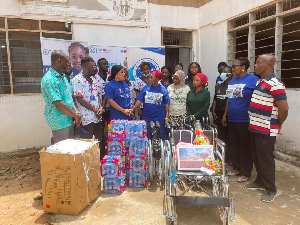
 The call was made during a screening and counselling exercise
A renewed push for inclusive education is gaining momentum as government officials, education advocates, and parents highlight critical gaps in support systems for children with special needs across the country.
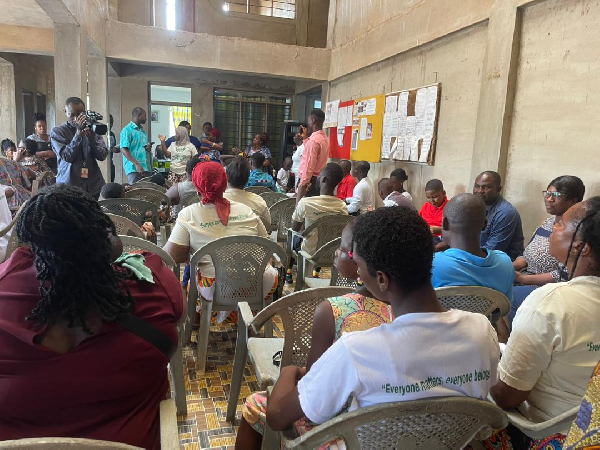
The call was made during a screening and counselling exercise organised by Mulan Neurodiversity School in collaboration with the National Assessment and Resource Centre as part of activities marking Autism Awareness Month.
Thara Brigitte Mills Simmonds, CEO of Mulan Neurodiversity School and an autism advocate, underscored the importance of early intervention and parental support in managing children with special needs.
She explained that the exercise brought together a team of specialists including speech and language therapists, occupational therapists, behavioural technicians, and special educators to assess children and provide guidance to parents.
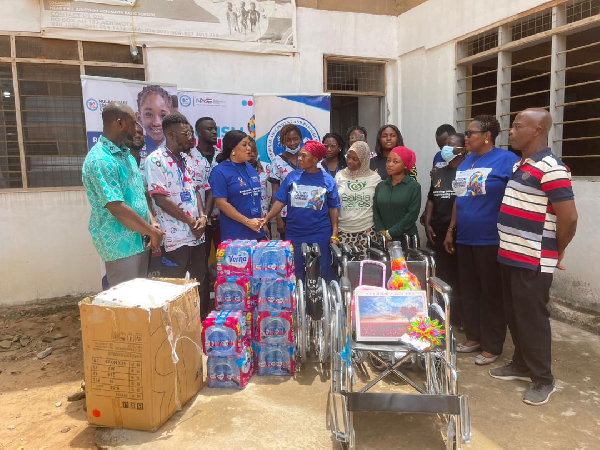
According to her, the initiative also focused on developing Individualised Education Plans (IEPs) to support children in their educational journey, while donating sensory learning materials and assistive devices such as wheelchairs to improve therapy and accessibility at the centre.
“Having a child with autism or special needs is not the end of the road. It only means the child needs the right support system,” she stated, urging parents to remain strong and avoid hiding their children due to stigma.
She further called on schools to stop rejecting children with special needs, describing such actions as discriminatory, and encouraged institutions to build capacity to support inclusive learning.
She also appealed to policymakers to ensure that special needs education is prioritised, not only in policy formulation but also in implementation.
“Disability can happen to anyone at any time. Schools must be prepared to support every child and foster empathy among students,” she stressed.
“These children are part of our society, and their needs must be fully considered in our policies and actions,” she added.
Meanwhile, the Head of the National Assessment and Resource Centre, Hajia Ramatu Alhassan, drew attention to the poor state of infrastructure at the facility, describing it as a major challenge affecting service delivery.
She explained that the centre, which provides screening, diagnostic assessments, counselling, and school placement services for children with various disabilities, is currently operating in an incomplete building.
According to her, the situation creates an unconducive and sometimes discouraging environment for both staff and parents seeking support.
She noted that some parents are reluctant to access services upon arrival due to the condition of the facility, which also limits the centre’s operational efficiency.
“Our priority is simple we want the building to be completed,” she stressed, adding that despite the challenges, staff remain committed and continue to work selflessly to support children with disabilities.
On the government’s part, Kingsley Boachie, Senior Research and Inclusive Education Officer at the Pre-Tertiary Ministry of Education, outlined measures being implemented to strengthen special education across the country.
He revealed that the Ministry is collaborating with institutions such as the University of Cape Coast and the University of Education, Winneba to ensure that graduates trained in special education are posted directly to relevant schools and assessment centres where their expertise is needed.
Boachie also disclosed plans to establish “model inclusive schools” across districts. These schools, he said, will be equipped with the necessary learning materials and staffed with trained professionals to provide adequate support for children with special needs.
In addition, he indicated that government is working to upgrade and complete facilities like the National Assessment Centre to meet required standards and create a more welcoming and functional environment.
Despite these interventions, parents continue to face significant challenges in accessing education for their children.
Deborah Dzakpasu, a mother of an 18-year-old autistic girl, shared her ordeal, revealing that her daughter was denied admission into several schools from an early age due to her condition.
According to her, despite multiple attempts, her child was unable to access basic education, forcing her to stop working to provide full-time care. She expressed concern over her daughter’s safety, noting fears of possible abuse if left in the care of others.
She is therefore calling on government to ensure that basic education is truly inclusive and accessible to all children, regardless of their condition.
As part of the outreach, the school donated sensory learning materials and assistive devices, including wheelchairs, to support therapy and improve accessibility for children with physical challenges at the centre.
2026 Ghana Beverages Awards hailed as biggest and best so far - Emma Wenani
Ibrahim Mahama thanks ex-president Akufo-Addo for his role in Damang Mine takeover deal

Copyright © 1994 - 2026 GhanaWeb. All rights reserved.










