



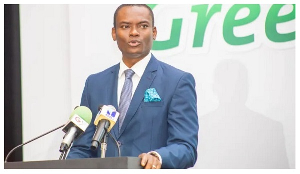
 Dr Godwin Acquaye is the Chief Executive Officer of the Business and Financial Times
Women in business, especially small and medium-sized enterprise (SME) owners, have been urged to build stronger structures to enable them to scale up.
With stronger systems in place, including proper record-keeping, bookkeeping, and business registration, women can more confidently access loan facilities for expansion.
Dr Godwin Acquaye, Chief Executive Officer of the Business and Financial Times (B&FT), who made the call, noted that some women still face challenges with collateral when accessing loans, which hinders their ability to grow their businesses.
“This is not just an observation; it stems from the fact that some women do not take their bookkeeping and records seriously, and no financial institution will be ready to offer a loan to such a business owner without proper records,” he stated.
He made the remarks at the 3rd Edition of the Women in Business Dialogue Series 2026 in Kumasi, organised by B&FT with sponsorship from Ecobank Ghana PLC.
The event was on the theme: “Building Market Leaders: Empowering Women-Led SMEs and Agribusiness for Inclusive and Sustainable Growth.”
Dr Acquaye said the role women play in SME growth in Ghana cannot be underestimated, adding that it is important to train and equip them to scale up sustainably.
He indicated that there is a $5 billion financing gap for SMEs, which make up about 90% of businesses in Ghana and contribute around 70% to GDP.
On efforts to fast-track the establishment of the Women’s Development Bank, he said such a facility could further support SME owners who have the right structures in place.
Regina Ofori, Head of Marketing and Brands at Ecobank Ghana PLC, said the bank believes empowering women-led SMEs is not merely corporate social responsibility but a strategic economic imperative.
She said Ecobank is committed to providing financial support and strategic assistance to ensure that the next generation of African corporate leaders includes more women.
However, she noted that many women-owned businesses remain constrained at the micro level due to systemic challenges, including limited access to capital and gaps in technical and managerial capacity.

Copyright © 1994 - 2026 GhanaWeb. All rights reserved.










