



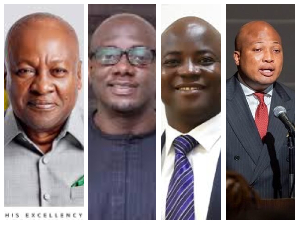
 Some notable personalities who have publicly spoken about xenophobia in South Africa
Recurring xenophobic attacks in South Africa have continued to spark outrage and concern across the African continent, particularly among countries whose citizens have been directly affected by the violence.
The attacks have also reignited debates about Pan-Africanism, African unity and the treatment of migrants within the continent, with several African leaders, diplomats, activists and public figures condemning the violence and calling for stronger protection for foreign nationals.
In Ghana, the issue has drawn reactions from political leaders, business figures, analysts and civil society actors, many of whom have advocated safe repatriation, diplomatic engagement and support for affected citizens returning home.
Here are some notable personalities who have publicly spoken about xenophobia in South Africa and the repatriation of Ghanaians.
1. Ibrahim Mahama
Business mogul Ibrahim Mahama made a passionate appeal to Ghanaians affected by xenophobic tensions in South Africa to return home and contribute to Ghana’s development.
“I don’t want to be rich in another man’s country,” he stated while reacting to the attacks and anti-immigrant sentiments.
He also pledged support to help returning Ghanaians rebuild their businesses and livelihoods back home.
2. John Dramani Mahama
President John Dramani Mahama strongly condemned xenophobic attacks in South Africa and reaffirmed Ghana’s commitment to Pan-Africanism and peaceful coexistence among Africans.
According to him, “there is no room for xenophobia in Ghana,” stressing that African nationals must not be subjected to violence and discrimination in other African countries.
The government subsequently intensified efforts to facilitate the safe evacuation and protection of affected Ghanaians.
Xenophobia Fallout: Prominent figures who have kicked against renewal of Goldfields lease
3. Samuel Okudzeto Ablakwa
Minister of Foreign Affairs, Samuel Okudzeto Ablakwa, expressed concern over recurring attacks on African migrants in South Africa, citing loss of lives, destruction of businesses and growing insecurity among foreign nationals.
He has led diplomatic engagements with South African authorities while coordinating evacuation arrangements for Ghanaians willing to return home.
Ablakwa has also emphasised the need for dignity and humane treatment during repatriation exercises.
4. Benjamin Quashie
Benjamin Quashie, Ghana’s High Commissioner to South Africa, stressed that the government has a responsibility to ensure the safety and welfare of Ghanaians living abroad.
During periods of heightened tensions, he supervised voluntary evacuation and repatriation arrangements for affected Ghanaian nationals.
5. Oliver Barker-Vormawor
Civil rights lawyer and activist Oliver Barker-Vormawor has consistently spoken about the need to protect the dignity and rights of Ghanaians returning from South Africa.
He criticised forceful deportations and called for due legal process and humane treatment for repatriated citizens.
According to him, returnees should be supported and reintegrated into society rather than treated like criminals.
6. Eric Twum
Eric Twum called for stronger government intervention to protect Ghanaian traders and migrants living in South Africa amid the recurring attacks.
He argued that the xenophobic incidents highlight the urgent need for African governments to prioritize the safety of their citizens abroad and create better economic opportunities at home to reduce migration pressures.
Watch the moment Ghanaians in SA packed belongings to board buses for evacuation
7. Eric Adjei
Eric Adjei condemned the attacks on African migrants in South Africa and urged authorities to intensify diplomatic engagement to prevent further violence.
He also stressed the importance of supporting repatriated Ghanaians with reintegration programmes and economic opportunities upon their return.
8. Dr Joshua Jebuntie Zaato
Political analyst Dr Zaato described the recurring xenophobic tensions as a threat to African unity and regional cooperation.
He noted that economic frustrations, unemployment and political rhetoric often fuel anti-immigrant sentiments, warning that African leaders must collectively address the root causes of xenophobia.
9. Solomon Owusu
Solomon Owusu criticised the attacks on foreign nationals and called for stronger protections for Africans living and working in other countries on the continent.
He also urged Ghanaian authorities to ensure that citizens returning from South Africa are properly supported and reintegrated into society.
Over the years, foreign nationals including Ghanaians have reportedly suffered intimidation, assaults, destruction of businesses and threats during waves of anti-immigrant tensions in parts of South Africa.
The situation has forced many African migrants to flee communities, abandon businesses and seek support from their home governments.
The reactions from these notable personalities reflect growing concern over the safety and wellbeing of Ghanaians living in South Africa amid recurring xenophobic tensions.
While some have called for immediate repatriation and reintegration support, others have emphasised diplomacy, Pan-African unity and the protection of migrants’ rights.
Their comments continue to fuel discussions about African solidarity, economic opportunities and the need for stronger continental cooperation to prevent xenophobic violence and protect foreign nationals across Africa.
MRA/VPO
'Apologise for benefitting from insults while in opposition' - Maurice Ampaw to President Mahama

Copyright © 1994 - 2026 GhanaWeb. All rights reserved.










