



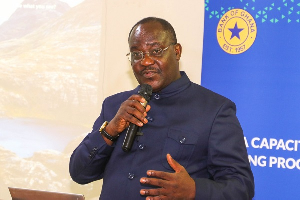
 Bernard Otabil, Director of Communications at the Bank of Ghana
The Bank of Ghana (BoG) has urged journalists to play a more active role in combating misinformation and strengthening economic reporting, warning that inaccurate reports on key economic indicators can trigger panic and undermine confidence in the economy.
Speaking at the opening of a three-day media capacity-building programme in Koforidua, Director of Communications at the Bank of Ghana, Bernard Otabil, said misinformation and disinformation remain among the biggest threats facing communication professionals and economic managers.
"If you ask me what keeps me awake at night as Communications Director, I will tell you it is misinformation and disinformation. Every day, we find ourselves correcting false narratives and fake news that can mislead the public and undermine confidence in the economy," he said.
Diaspora inflows to be channelled into real sector - BoG
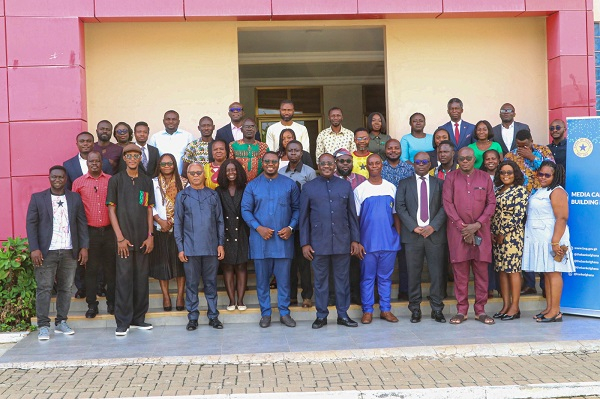
The training programme, sponsored by the central bank, brought together journalists from the Central, Volta, Eastern and Ashanti regions to enhance their understanding of monetary policy, financial markets, banking sector developments and responsible economic reporting.
Otabil noted that the media serves as a critical link between policymakers and the public, making accurate and balanced reporting essential to economic stability.
"How economic policies are understood, debated and reported ultimately shapes public confidence, investor sentiment and behaviour in the real sector. That is why the Bank of Ghana values partnerships such as this to ensure reporting on monetary policy, financial stability and the economy is accurate, contextual and solution-focused," he stated.
He cautioned that inaccurate reporting on issues such as inflation, exchange rates and currency performance could lead to panic-driven decisions by businesses and individuals.
Using developments in the foreign exchange market as an example, Otabil explained that speculative reports about the cedi could create unnecessary demand for foreign currencies and place pressure on the market.
"When people hear unverified reports suggesting the cedi will sharply depreciate, they may rush to buy and hold foreign currency. When this behaviour is repeated by many people, individual decisions become collective panic, creating pressure on the market and affecting the wider economy," he said.
Otabil also urged journalists to look beyond headline figures and explain how economic policies affect the daily lives of citizens.
"Numbers alone do not tell the full story. Behind every statistic are people, livelihoods and businesses. The role of the media is to explain how policy decisions affect access to credit, the cost of doing business, employment and household welfare," he added.
He expressed confidence that the training programme would equip journalists with the skills needed to report economic issues more effectively and help strengthen public trust in institutions.
"The media has a powerful responsibility. Through accurate, balanced and responsible reporting, journalists can help build understanding, confidence and resilience within our economy," he said.
MA

Copyright © 1994 - 2026 GhanaWeb. All rights reserved.










