



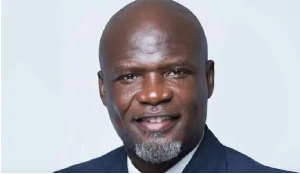
 Philip Fiifi Buckman is the MP for Kwesimintsim
The Member of Parliament (MP) for Kwesimintsim, Philip Fiifi Buckman, has stated that the reintroduction of public tribunals forms part of broader efforts to strengthen the administration of justice and improve access to the courts across the country.
He explained that the passage of the bill will establish a reformed tribunal system operating alongside traditional courts, complete with clear constitutional backing, robust oversight structures, and firm safeguards for due process and human rights.
The lawmaker noted that the legislation seeks to operationalise provisions under Article 126 of the 1992 Constitution, which explicitly provides for tribunals within Ghana’s judicial framework.
Addressing critics who claim the move is unlawful, Buckman clarified that the framework has always been constitutional, though it had largely become defunct over the years. He described the proposed tribunals as specialised courts designed specifically to preside over criminal matters.
Speaking in an exclusive interview on Frontline on Rainbow Radio 87.5FM, the Kwesimintsim MP stated that the new legislation will address existing gaps in the legal framework, drastically reduce the heavy case backlog in traditional courts, and expand access to justice while fostering direct citizen participation in adjudication.
“The tribunals will have concurrent original jurisdiction with the High Court over selected criminal matters, including economic crimes, narcotics offences, tax-related offences, customs violations, and cases involving loss of state funds or property. Additionally, the District Tribunals will also have concurrent jurisdiction with Circuit Courts in specified criminal matters, excluding offences such as treason, capital offences, and cases triable on indictment,” he said.
He further reassured the public that the system includes sufficient checks and balances to prevent past missteps.
“This is a constitutional provision we have implemented. It is nothing new. Ghanaians should be rest assured that there would be fairness, transparency, efficiency, independence, and respect for fundamental human rights, with decisions subject to appellate review. So there should be no concerns over any abuse of power,” he added.
Elaborating on the governance framework, Buckman explained that “the administration of the system will be under the Judicial Council in consultation with a proposed Tribunal Oversight Committee. It also outlines codes of conduct, disciplinary rules, and clear procedures for appointment, retirement and removal of members.
The decisions of tribunals will be subject to appellate review, ensuring fairness and adherence to due process.”
Under the newly passed framework, the public tribunals will be constituted by panel members including legally qualified chairpersons alongside citizen panel members, all appointed under strictly defined statutory procedures.
NDC Branch Organiser arrested over claims Bawumia slept with people's wives, committed murder
TWI NEWS

Copyright © 1994 - 2026 GhanaWeb. All rights reserved.










