



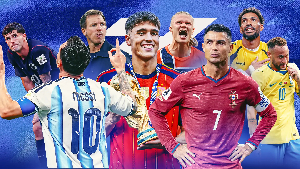
 Spain were crowned champions of the 2026 World Cup
The 2026 FIFA World Cup promised to be different. It was the first tournament to feature 48 teams, the first to be staged across three host nations, and the largest in football history.
Sceptics feared the competition would lose its edge. Instead, it delivered a month of drama, surprises and a changing football landscape.
Below are five key takeaways from the just-ended tournament.
1. Bigger didn't mean weaker
Before a ball was kicked, the expansion from 32 to 48 teams dominated the conversation. Critics warned that the tournament would be diluted and produce too many one-sided matches.
World Cup Reality vs Prophecy: How Ghanaian prophets got it wrong
The opposite happened.
The new Round of 32 created another layer of knockout drama, while emerging football nations seized the opportunity to prove they belonged. Packed stadiums, record digital engagement and competitive fixtures throughout the tournament silenced many of the doubts.
FIFA's Chief of Global Football Development, Arsène Wenger, described the expanded format as "a great success", arguing that it gave more nations a genuine chance to compete without sacrificing quality.
This World Cup felt more global than ever before.
2. Spain announced a new era
When Spain lifted the trophy after defeating Argentina 1-0 in extra time, it felt like more than another title.
It was a changing of the guard.
Luis de la Fuente's side reached the summit not through one iconic superstar, but through collective excellence.
Ferran Torres' extra-time winner in the final capped a campaign built on tactical discipline and composure rather than individual brilliance.
3. The football map is changing
The tournament reinforced a trend that has been building for years: the traditional giants can no longer expect easy victories.
Morocco continued its remarkable rise after its historic run in Qatar four years earlier. Norway emerged as one of the tournament's surprise packages, while several knockout matches went to extra time or penalties, showing just how little separated many of the world's best teams.
4. Africa inspired, but the ultimate breakthrough remains elusive
African teams once again demonstrated resilience, athleticism and tactical maturity.
All ten sides competed strongly against higher-ranked opponents, producing performances that reinforced the continent's growing influence on the global game. Yet the familiar disappointment remained. None managed to reach the final stages needed to deliver Africa's first World Cup triumph.
5. A possible end of an era
The 2026 World Cup could be remembered as the closing chapter of football's greatest individual rivalry. Lionel Messi and Cristiano Ronaldo arrived in North America knowing this could be their final appearance on football's biggest stage.
Messi entered the tournament with his legacy already secured after finally winning the World Cup with Argentina in 2022, while Ronaldo continued chasing the one major trophy that had escaped him throughout his remarkable career.
Argentina reached the final again in 2026 but fell short against Spain, while Messi's place among the greatest players in history remained unquestioned.
For Ronaldo, the tournament carried a different sense of unfinished business. Portugal's journey ended before the latter stages, leaving the five-time Ballon d'Or winner still without the World Cup title that had eluded him throughout his legendary career.
If 2026 marks his final appearance, he could retire as one of football's greatest players without lifting the sport's most coveted trophy.
FKA/BAI
BREAKING: Chairman Wontumi jailed 20 years in prison
TWI NEWS

Copyright © 1994 - 2026 GhanaWeb. All rights reserved.










