



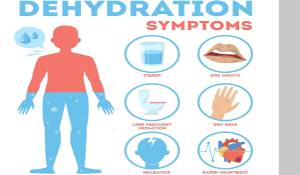
 A file photo of the symptoms of dehydration
Many people associate dehydration with feeling thirsty, but health experts say the condition can have far-reaching effects on the body if left untreated.
Dehydration occurs when the body loses more fluids than it takes in, making it difficult for vital organs to function properly. While mild dehydration may cause fatigue, dark-coloured urine, and a dry mouth, severe cases can result in confusion, dizziness, a rapid heartbeat, and other life-threatening complications.
When the body lacks enough fluids, blood volume decreases, causing blood pressure to drop. To compensate, the heart beats faster, which may lead to palpitations, dizziness, or even fainting.
MIIF posts GH¢1.1 billion audited profit in 2025
Water plays a key role in digestion by helping food move through the intestines. Without adequate fluid intake, stools become hard and difficult to pass.
Another lesser-known fact is that dehydration can interfere with the body's ability to regulate temperature.
Since sweating is the body's natural cooling mechanism, insufficient water intake can increase the risk of overheating, particularly during hot weather or physical activity.
The skin can also reveal signs of dehydration. Dry skin, cracked lips, a dry mouth, and reduced skin elasticity are common indicators that the body needs more fluids.
Beyond the physical effects, dehydration can also affect the brain. Even mild fluid loss has been linked to poor concentration, brain fog, fatigue, and irritability.
It can also trigger headaches, as temporary fluid loss may cause the brain to shrink slightly away from the skull.
Health experts advise that while mild dehydration can usually be managed by drinking water or an oral rehydration solution in small, frequent amounts, severe dehydration is a medical emergency.
Seek immediate medical attention if you experience persistent dizziness, confusion, extreme thirst, no urination for eight hours or more, or a rapid, weak pulse.
Maintaining adequate hydration throughout the day remains one of the simplest ways to support healthy brain function, digestion, circulation, and overall well-being.
ANAS/MA
Inside the AI revolution that could save lives on Ghana's roads

Copyright © 1994 - 2026 GhanaWeb. All rights reserved.










