



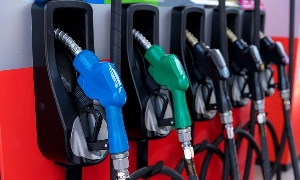
 A file photo of fuel pumps
Ghana’s economy could come under fresh pressure as higher international oil prices push up the cost of petrol, diesel and LPG on the local market.
The second pricing window for September is expected to see petrol prices rise by 9.63%, while diesel could increase by 6.97%. LPG prices are also projected to go up by 3.22%, according to the Chamber of Oil Marketing Companies (COMAC).
COMAC’s projections show that petrol could sell at about GH¢17.23 per litre, while diesel could reach GH¢18.35 per litre.
Tano Basin holds over 1 billion barrels of oil, 2.5 trillion cubic feet of gas – GNPC reveals
The National Petroleum Authority (NPA) has meanwhile set minimum prices of GH¢16 per litre for petrol and GH¢16.77 for diesel. Actual prices at filling stations could be higher because of other charges and margins included in the pricing structure.
While the increases will be felt directly by motorists, their effects could extend far beyond the fuel station. Fuel is a major input in transportation, agriculture, manufacturing, construction and the distribution of goods, meaning sustained increases could raise costs across several sectors of the economy.
Pressure on transport fares
One of the immediate effects could be on public transport.
Higher fuel costs increase the amount transport operators spend on each trip, potentially putting pressure on fares. The Ghana Private Road Transport Union (GPRTU) has already indicated that fares could rise by between 25% and 30% if the fuel increases materialise.
For commuters, higher fares would mean spending a larger share of their income on transportation, particularly for workers and students who travel long distances every day.
Commercial drivers and transport operators could also face higher operating costs as fuel prices rise. Apart from fuel, they have to deal with vehicle maintenance, spare parts, insurance and other expenses, meaning an increase in fuel prices could further squeeze their margins if fares are not adjusted.
Businesses could face higher operating costs
The impact could also spread to businesses across the country.
Companies that depend on trucks, buses and other fuel-powered vehicles will have to spend more to transport goods and provide services. Businesses that operate delivery vehicles could also face higher costs, while companies with large distribution networks may experience a significant increase in their logistics expenses.
Higher diesel costs could also affect businesses that use diesel-powered equipment in their daily operations. This includes some construction companies, agricultural operators, manufacturers and other businesses that rely on generators and heavy-duty machinery.
For small businesses in particular, absorbing higher fuel costs could become difficult. Some may be forced to increase their prices, while others could reduce their operating hours or cut other expenses to remain viable.
Possible impact on food prices
The pressure could also reach food prices.
Farmers and agribusinesses rely on fuel at different stages of production and distribution. Fuel is used to power machinery, transport farm inputs and move agricultural produce from farming communities to markets and processing centres.
When the cost of transporting food increases, traders and distributors may pass some of the additional expenses on to consumers.
This means a sustained increase in fuel prices could contribute to higher prices for food and other essential commodities, particularly if transportation costs remain elevated for an extended period.
Household budgets could come under pressure
For households, the impact could come through several channels at the same time.
A family could face higher transport costs, more expensive food and increased prices for other goods and services as businesses adjust to higher operating expenses.
Households that use LPG for cooking could also feel the effect of the projected increase in LPG prices. For lower-income families, even relatively small increases in the cost of essential goods can put additional pressure on monthly budgets.
The result could be reduced spending on non-essential goods and services as households redirect more of their income towards transportation, food and energy.
Inflation could face fresh pressure
Higher fuel prices can also create additional pressure on inflation.
Fuel is directly linked to transportation costs and indirectly affects the prices of goods and services. If businesses face higher costs for transporting raw materials, finished products and workers, some of those increases could eventually be reflected in retail prices.
This could complicate efforts to sustain the recent decline in inflation.
The extent of the impact, however, would depend on how long international oil prices remain elevated, the movement of the cedi against major currencies and the extent to which businesses absorb or pass on the additional costs.
Foreign exchange implications
For Ghana, the situation is particularly important because the country relies significantly on imported petroleum products.
A sustained rise in international oil prices could increase the amount of foreign exchange required to finance fuel imports.
This could put additional demand on the foreign exchange market and potentially affect the cost of imports more broadly, depending on developments in the cedi-dollar exchange rate.
The impact on the cedi would depend on several other factors, including export earnings, foreign exchange inflows, reserves and overall demand for foreign currency.
Pressure on production and distribution
Fuel prices are also closely connected to the cost of moving goods around the country.
Manufacturers need fuel to transport raw materials to factories and distribute finished products to wholesalers and retailers. Retailers, in turn, depend on transport operators to move goods from warehouses and distribution centres to their outlets.
A sustained increase in fuel costs could therefore increase the cost of doing business across the supply chain.
Businesses may respond by looking for more efficient transportation systems, adjusting delivery schedules or renegotiating contracts with suppliers and logistics providers. However, where there is limited room to absorb the additional cost, consumers could ultimately bear part of the burden.
Global oil prices remain a key factor
The development comes at a time when global crude oil prices have remained above US$100 per barrel, with Brent crude hovering around US$108. Refined petroleum products have also recorded increases.
International oil prices are influenced by several factors, including global demand, supply disruptions, production decisions by major oil-producing countries and geopolitical developments.
For an oil-importing country such as Ghana, sustained increases in global prices can quickly feed into domestic fuel prices.
The local price is also affected by the exchange rate, taxes and levies, refining and shipping costs, margins and other components of Ghana’s petroleum pricing structure.
What this means for the economy
If the pressure continues, it could raise the cost of doing business and make it harder for companies to keep their operating costs low.
Businesses facing higher fuel and transportation expenses may have to adjust prices, delay expansion plans or reduce spending in other areas. For companies operating on thin margins, prolonged increases could have a more significant effect on their operations.
At the same time, households could have less disposable income as more of their earnings go towards transportation, food and energy.
The government could also face pressure to respond if fuel prices remain elevated, particularly if there are calls for measures to cushion households and businesses from the impact.
However, such interventions could have implications for public finances depending on the form they take.
The latest development therefore goes beyond what motorists pay at filling stations.
A prolonged increase in fuel prices could affect transportation, production, agriculture, distribution, household spending and inflation, making the direction of international oil prices an important factor for Ghana’s economic outlook in the coming months.
ANAS/MA
Mahama’s New Car Loan Plan Could Make It Easier for Ghanaians to Own Cars

Copyright © 1994 - 2026 GhanaWeb. All rights reserved.










