



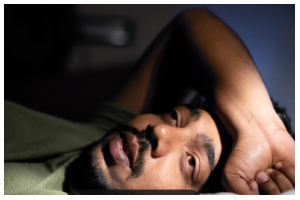
 Frequent night-time waking is one subtle change that can come with ageing
Getting older does not always announce itself with grey hair, wrinkles or a few extra lines around the eyes.
Sometimes, the changes are much more subtle. You may begin waking up earlier than you used to, struggle to maintain your usual weight or notice that your body takes longer to recover after a workout.
A recent article published by MSN has highlighted seven subtle signs that may indicate changes in the body as people get older.
1. Waking up often at night
If you once slept through the night but now find yourself waking up several times, ageing could be one of the factors.
Sleep patterns can change with age, with some people spending less time in deeper stages of sleep. Others may find it harder to fall asleep or wake up earlier than they used to.
However, persistent sleep problems should not simply be dismissed as part of getting older. Stress, medications, lifestyle and underlying health conditions can also interfere with sleep.
2. Your sex drive changes
A noticeable change in libido can happen as people get older.
Hormonal changes can contribute to this. Testosterone levels in men tend to decline gradually with age, while women experience significant hormonal changes during perimenopause and menopause.
But hormones are not the only explanation.
Stress, poor sleep, certain medications and health conditions can also affect sexual desire.
A significant or persistent change is therefore worth discussing with a health professional rather than automatically blaming it on age.
3. Your blood pressure starts creeping up
High blood pressure can develop without making you feel unwell, which is why some people may not realise their numbers have changed.
As people age, blood vessels can become less flexible, increasing the risk of high blood pressure.
This makes regular blood pressure checks increasingly important, particularly as you move into your 40s and beyond.
Knowing your numbers can help you identify a problem early, even when you feel perfectly healthy.
4. Your cholesterol levels change
You may still be eating the same foods you have always eaten and yet find that your cholesterol levels are no longer what they used to be.
Age is one of several factors that can affect cholesterol. Genetics, diet, physical activity and other health conditions can also play a role.
Because high cholesterol often has no obvious symptoms, a blood test may be the only way to know where your levels stand.
5. Maintaining your usual weight becomes harder
Remember when you could eat a little more, skip the gym for weeks and somehow your weight stayed the same?
That can become more difficult with age.
One reason is that people tend to lose muscle mass as they get older, particularly when they are physically inactive. Since muscle uses energy, having less of it can affect how many calories the body burns.
This does not mean weight gain is inevitable.
Regular physical activity, including exercises that help maintain muscle strength, together with a balanced diet can help support a healthy weight as you age.
6. Your body takes longer to recover after exercise
You may still be able to do the same workout you enjoyed years ago, but your body may take longer to recover afterwards.
A little more stiffness or soreness after physical activity can become noticeable with age.
That does not mean exercise should be abandoned. In fact, staying active remains important for maintaining muscle strength, bone health, mobility and cardiovascular fitness.
A combination of aerobic activity, strength training and exercises that improve flexibility and mobility can help keep the body active as you get older.
What your sleep could reveal about your health
7. You start paying more attention to your health
Perhaps one of the biggest signs of getting older is realising that feeling fine is not always enough.
You may become more conscious of your blood pressure, cholesterol, blood sugar, sleep and general fitness.
That shift in attitude can be useful because several conditions become more common with age without necessarily producing obvious symptoms in their early stages.
Rather than waiting until something feels wrong, routine health checks can help identify changes early.
Ageing is inevitable, but getting older does not mean giving up on your health.
Eating a balanced diet, staying physically active, getting enough sleep, avoiding smoking, moderating alcohol intake and keeping up with routine health checks can all contribute to healthier ageing.
The goal is not necessarily to stop the clock, but to give your body the best chance of staying strong and healthy as the years go by.
JKB/VPO
Inside Ghana’s Abandoned Engineering Powerhouse: What Went Wrong?

Copyright © 1994 - 2026 GhanaWeb. All rights reserved.










