



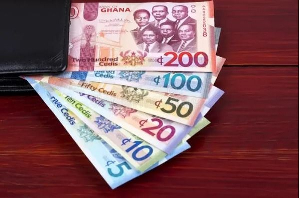
 File photo of Ghana cedi
Failing to repay a loan as small as GH¢10 could affect your chances of securing a GH¢200 loan from a bank or another financial institution.
Although the amount may appear insignificant, an unpaid debt could become part of your credit history and influence how lenders assess your ability to repay future loans.
This is because lenders do not only consider how much money you want to borrow. They may also examine your previous borrowing and repayment behaviour before deciding whether to approve your application.
Netizens react as State Housing puts Amrahia homes on sale from GH¢950,000
The information is captured in a document known as a credit report, which helps financial institutions assess the risks associated with lending to an individual.
What is a credit report?
A credit report is a record of an individual's borrowing and repayment history. It may contain information about previous and existing loans, outstanding balances, repayment patterns and whether payments have been made as agreed.
Financial institutions use this information, alongside other details about an applicant's financial circumstances, to assess whether the person is likely to repay a new loan.
A positive credit history can help demonstrate that a borrower manages debt responsibly, while a history of missed payments or unpaid loans could raise concerns.
However, a credit report is not the same as a credit score. A credit score is a numerical assessment of credit risk, where such a score is used, while a credit report provides more detailed information about a person's credit history.
How could a GH¢10 loan affect a GH¢200 loan application?
Consider a borrower who takes a GH¢10 loan through a digital lending platform but fails to repay it.
If the lender submits the relevant information to a licensed credit reference bureau, the outstanding debt and repayment status could appear on the borrower's credit report.
The borrower may later apply to another financial institution for a GH¢200 loan. During its assessment, the institution may access the credit report and discover that the previous loan remains unpaid.
Even though the outstanding amount is only GH¢10, the lender may consider the missed repayment when assessing the applicant's creditworthiness.
The concern may not be the amount owed alone, but also the borrower's repayment behaviour and whether the person is likely to meet the terms of another loan.
Consequently, the lender could reject the application, offer a smaller amount or impose different lending terms, depending on its policies and assessment of the borrower's overall financial circumstances.
This does not mean that every unpaid GH¢10 loan will automatically prevent someone from borrowing GH¢200. The outcome depends on factors such as whether the debt has been reported, the information available to the lender and the lender's credit assessment criteria.
Why digital loans matter
The growing use of mobile money and digital lending platforms has made it easier for people to access relatively small amounts of credit without visiting a bank branch.
For borrowers who need money to cover an urgent expense, these services can provide a convenient source of funds. However, the ease of obtaining a loan does not remove the obligation to repay it according to the agreed terms.
Small loans may also encourage some borrowers to underestimate the consequences of missing a repayment. A person may consider GH¢10 too insignificant to worry about, particularly when compared with larger debts.
But where a lender reports repayment information to a credit reference bureau, even a small outstanding loan could become relevant when the borrower seeks credit elsewhere.
Digital borrowers should therefore pay attention to repayment deadlines, interest charges, fees and other conditions before accepting a loan. They should also ensure that they understand the total amount they are expected to repay.
How does Ghana's credit reporting system work?
In Ghana, credit reporting is governed by the Credit Reporting Act, 2007 (Act 726), and the Credit Reporting Regulations, 2020 (L.I. 2394).
The system enables licensed credit reference bureaus to collect and provide credit information to help financial institutions assess the creditworthiness of borrowers.
Credit reference bureaus operating in Ghana include XDS Data Ghana Limited, Dun & Bradstreet Credit Bureau Limited and MyCredit Score Limited.
These institutions provide credit information that lenders may use when evaluating loan applications. The information available to a lender depends on the data reported to and held by the relevant bureau, as well as the lender's access to that information.
DVLA cuts $155.4 million roadworthiness deal to GH¢2 million
The system is intended to help lenders make more informed decisions by providing insight into borrowers' credit histories, rather than relying solely on the information supplied in a new loan application.
For borrowers, this means that their financial behaviour today could have implications for their ability to obtain credit in the future.
What happens if you fail to repay a loan?
Failure to repay a loan can result in consequences under the terms of the lending agreement. Depending on the agreement, these may include additional charges, collection efforts and the reporting of repayment information to a credit reference bureau.
If the debt remains outstanding, it could become a factor in future credit assessments where the information is available to a prospective lender.
However, borrowers should not assume that an unpaid loan will always appear on every credit report or that every lender will treat it in the same way.
Similarly, repaying an overdue loan does not necessarily mean that all records of the previous missed payment will disappear immediately. The way repayment information is updated and retained depends on the applicable reporting requirements and the information held by the bureau.
Anyone who believes that their credit report contains incorrect information should contact the relevant credit reference bureau and lender to seek clarification and request a correction where appropriate.
How can borrowers protect their credit history?
Borrowers can take several practical steps to reduce the risk of repayment problems affecting their future access to credit.
Repay loans on time: Meeting agreed repayment deadlines helps establish a record of responsible borrowing.
Understand the loan terms: Before accepting a loan, check the repayment date, interest rate, fees and total amount due.
Borrow only what you can repay: Consider your income, existing debts and essential expenses before taking on additional borrowing.
Keep records of repayments; Retain transaction receipts, confirmation messages and other evidence showing that a loan has been repaid.
Check your credit report: Reviewing your credit information can help you identify outstanding debts or errors that may affect a future application.
Address overdue debts: If you cannot repay a loan on time, contact the lender to discuss the outstanding amount and any available repayment arrangements. Do not assume that a small debt will have no consequences.
Does an unpaid loan guarantee rejection?
No. An unpaid loan does not automatically mean that a borrower will be denied another loan.
Financial institutions may consider several factors, including income, employment or business earnings, existing debts, repayment capacity, the amount requested and their internal lending policies.
A borrower with an outstanding debt may still qualify for credit, while someone without an unpaid loan may be rejected if they do not meet the lender's requirements.
The central issue is that repayment history is one of the factors that may influence a lending decision.
The bottom line
A GH¢10 loan may be small, but failing to repay it could have consequences beyond the amount owed if the debt is reported to a credit reference bureau and considered in a future loan assessment.
Oil prices fall as Russia plans to release more fuel into global market
For someone hoping to borrow GH¢200 or a much larger amount, maintaining a reliable repayment record can be an important part of demonstrating creditworthiness.
The lesson for borrowers is simple; do not judge a loan's importance only by the amount involved. Understanding the terms, borrowing within your means and repaying on time can help protect your credit history and preserve your options when you need credit in the future.
DR/MA
Foundries, Machines and Jet Engines: Ghana’s untapped engineering potential

Copyright © 1994 - 2026 GhanaWeb. All rights reserved.










