


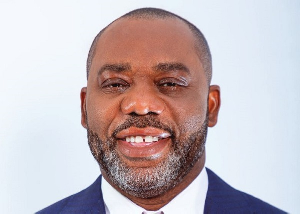
 Dr Matthew Opoku Prempeh is a former Minister of Education
The recent industrial action by some teacher unions has reignited debate about the leadership and stakeholder engagement required to maintain stability in Ghana’s education sector, with some political pundits saying that Dr Matthew Opoku Prempeh’s tenure as Education Minister offers important lessons for the New Patriotic Party (NPP).
Popularly known as NAPO, Dr Opoku Prempeh served as Education Minister from 2017 to 2021 before moving to the Energy Ministry.
His tenure coincided with the implementation of major education reforms, including the Free Senior High School programme, changes to teacher professional development and the promotion of science, technology, engineering and mathematics education.
A Ghana Broadcasting Corporation feature published in January 2021 credited his administration with maintaining industrial stability in the education sector, attributing the outcome to consultation and engagement with teacher unions.
The report described his approach as one built around understanding the concerns of organised labour and communicating government’s capacity to address them.
An education record beyond industrial relations
Dr Opoku Prempeh’s supporters point to a broader record that includes the implementation of Free SHS, reforms to teacher education, the introduction of teacher licensure examinations and initiatives to improve access to science and technical education.
His tenure also saw the promotion of STEM and technical and vocational education as part of efforts to prepare students for a changing labour market.
Supporters argue that these experiences give him a substantial policy record to bring to any discussion about the NPP’s future leadership team.
They maintain that the ability to manage complex reforms while engaging organised labour is an important consideration in assessing potential running mates.
Nevertheless, industrial relations depend on several factors, including government funding, negotiated agreements and the conduct of unions. The recent strike alone does not establish that one former minister would necessarily have prevented it.
From Education to Energy
NAPO’s experience was not confined to education. After leaving the Education Ministry in 2021, he became Minister for Energy, taking responsibility for a sector central to Ghana’s economic competitiveness, industrial development and energy security.
For analysts the transition between the two ministries is evidence of experience across different policy areas. Education requires the management of teachers, schools and curriculum reforms, while energy involves electricity supply, sector finances, infrastructure and engagement with public and private sector stakeholders.
Emotional Moment as Piesie Esther Grabs the Mic at Mabel Intuah’s Funeral

Copyright © 1994 - 2026 GhanaWeb. All rights reserved.










