


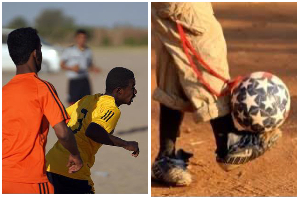
 Passionate young Athletes
A baseline study on human trafficking in sports in Ghana has revealed that 40 percent of young athletes surveyed had been asked to surrender their passports or other documents in the process of seeking sporting opportunities.
The January 2026 study also found that 26.7% of respondents had been asked to pay money in connection with recruitment opportunities, highlighting some of the risks facing young athletes seeking to pursue professional careers abroad.
The findings further showed that 95.6% of respondents wanted to play professional sports overseas, while 75.6% had heard of overseas club opportunities.
Although 53.3% of respondents recognised that some offers appeared suspicious, the findings point to the vulnerability of young athletes to fraudulent recruitment schemes and possible exploitation.
The findings were highlighted at a media validation workshop organised by the International Organization for Migration (IOM) to equip sports journalists with a communication strategy to raise awareness and combat human trafficking in sports.
The campaign seeks to educate three key groups: young athletes between the ages of six and 24, parents and guardians, and institutional gatekeepers, including coaches, physical education teachers, academy managers and education officers.
Athletes are being encouraged to verify recruitment offers, refuse to surrender original documents and demand written contracts before committing to any transfer arrangement.
Three-year-old soccer prodigy reportedly removed from league after complaints
Parents and guardians have been urged to independently verify overseas opportunities and avoid taking loans to finance unverified offers.
The campaign further encourages the verification of football agents through recognised bodies and platforms, including the FIFA Agent Directory and the Ghana Football Association (GFA).
It cautions against recruitment promises made through informal channels such as WhatsApp, stressing that legitimate international transfers must follow recognised football procedures, including the International Transfer Certificate (ITC) process.
Project Lead at the International Organisation for Migration (IOM), Edem Semordzi, called on the media to use their platforms to educate the public and amplify the campaign's messages.
"We urge the media to champion this cause because awareness remains one of our strongest tools in preventing trafficking in sports," he said.
He disclosed that the project team had started visiting schools across the country to engage students.
PAH/JKB
Ghana vs Somalia: Fans Make Their Predictions Ahead of Crucial Clash

Copyright © 1994 - 2026 GhanaWeb. All rights reserved.










