


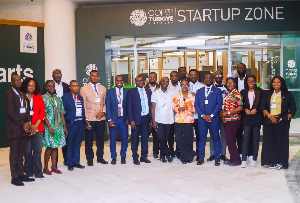
 The sponsorship equips Ghanaian journalists with first-hand exposure to global climate negotiations
The Jospong Group of Companies has sponsored 21 Ghanaian journalists to cover the 31st United Nations Climate Change Conference (COP31) in Antalya, Türkiye.
The sponsorship is aimed at strengthening climate change reporting in Ghana by giving journalists first-hand exposure to international climate negotiations, emerging environmental issues and global efforts to address climate change.
The journalists, drawn from various media organisations across the country, include reporters, presenters, programme hosts, editors, bloggers and social media influencers.
Executive Chairman of the Jospong Group, Dr Joseph Siaw Agyepong, funded their flights, accommodation, local transportation and daily allowances to facilitate their participation in the conference.
The initiative marks the fourth consecutive year the Group has sponsored Ghanaian journalists to attend the UN climate conference. It began at COP28 in Dubai, continued at COP29 in Azerbaijan and COP30 in Belém, Brazil, before this year's edition in Türkiye.
According to the Group, the initiative is intended to expose journalists to emerging climate terminologies, global environmental concerns and international best practices, enabling them to provide more informed coverage of climate-related issues to Ghanaian audiences.
Some of the journalists who spoke about their experience in Antalya said the sponsorship had provided them with direct access to climate negotiations and a better understanding of how decisions taken at the conference could affect communities in Ghana.
Alexander Adi, Assistant Manager for News at GBC News, said the support had enabled Ghanaian journalists to participate in negotiations that many would otherwise have followed remotely.
“Without that support, many Ghanaian journalists simply would not be here in Antalya to witness these negotiations, to pose the tough questions, and to tell Ghana’s climate story in our own voice rather than relying on foreign wire services to tell it for us,” he said.
He, however, stressed that the sponsorship did not compromise their editorial independence, noting that journalists remained responsible for reporting objectively and holding all stakeholders accountable.
“Sponsorship does not equate to endorsement. My primary obligation remains to the public: to report accurately, to hold all actors including sponsors, the government, and private corporations accountable, and to distinguish a company’s climate commitments from verified facts on the ground,” he added.
Adi said his participation had deepened his understanding of climate finance, carbon markets, waste-to-energy projects and the role of local authorities in climate action.
He noted that the knowledge gained would inform his environmental reporting in Ghana, particularly on how global climate decisions could affect agriculture and urban communities.
Kwame Appiah Kubi of Media General also described the sponsorship as an opportunity for professional development, saying it had strengthened his understanding of climate change and the science behind it.
He said attending COP31 had allowed Ghanaian journalists to observe how other countries were responding to climate change, providing useful perspectives for reporting on Ghana's climate policies and interventions.
Similarly, Kofi Ahovi of Business Week described the sponsorship as an investment in journalism and professional development, providing reporters with access to policymakers, scientists, business leaders and development partners involved in climate discussions.
He said the interactions could improve coverage of climate change, waste management and green investment while helping audiences understand how international decisions relate to challenges in their communities.
Ahovi also emphasised the importance of independent reporting, verification and accountability, noting that journalists must ensure their coverage remains credible and balanced despite the support received.
Meanwhile, Benedicta Abekah, a radio and television host with Ignite Media, popularly known as Adjoah Nhyira, said attending COP31 had improved her understanding of the causes of climate change and the need to reduce activities that contribute to environmental degradation.
She said the experience had also reinforced the importance of public education and awareness in encouraging actions to protect the environment.
COP31 opened on November 9 and is scheduled to end on November 20, 2026, bringing together governments, businesses, civil society organisations and other stakeholders to discuss global climate action.

Copyright © 1994 - 2026 GhanaWeb. All rights reserved.










