



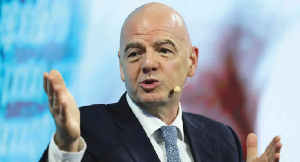
 Gianni Infantino is the President of FIFA
For more than a century, FIFA has controlled the biggest commercial machine in football, turning the World Cup into one of the most valuable sporting events on the planet.
Now, the governing body wants to open a new chapter by bringing outside investors into that business.
FIFA is preparing to create a new commercial company, FIFA Forward Enterprise (FFE), which will house some of its most valuable revenue streams, including broadcast rights, sponsorship deals, licensing, ticketing and hospitality.
The plan is to sell a minority stake of up to 20 per cent in the new entity to private investors, while FIFA keeps majority ownership and control.
The proposed move, which values the new company at around $20 billion, has triggered a major debate across football.
Supporters believe it could unlock more money for the game, while critics fear it could give private investors a greater influence over football’s biggest competitions.
The vote and the money on the table
FIFA President Gianni Infantino has written to member associations asking them to decide whether they want to support the proposal by September 19, 2026.
Associations that accept the plan could access a new funding package known as Fast-Forward.
Under the proposal:
Member associations could receive up to $20 million in one-off funding if they support the plan.
Combined with FIFA’s planned development funding, associations could receive up to $40 million from 2027 onwards.
FIFA says the total benefit for each association could reach around $86 million over 12 years.
However, those who reject the proposal would miss out on the additional Fast-Forward payment and would receive a significantly smaller package under the existing FIFA development structure.
Reports indicate the alternative funding could be around $2.7 billion in total compared to a $10 billion package if the plan is approved.
Why are some federations unhappy?
While FIFA argues the move will unlock more money for football development around the world, several football bodies have questioned the process.
UEFA has been among the strongest critics, arguing that the proposal was introduced without enough consultation and warning about private investors gaining influence over football’s biggest competitions.
UEFA and CAF have called emergency discussions with their member associations over the issue.
The English FA and other European stakeholders have also expressed concerns about transparency and governance.
The Asian Football Confederation (AFC) also said it was disappointed that such a significant proposal entered the public domain before confederations had been properly consulted.
The AFC said decisions affecting football’s financial future should involve wider discussion with stakeholders.
What does this mean for football?
At the centre of the debate is a simple question: will the proposal create more resources for football development, or will it give private investors too much influence over the sport?
FIFA insists it will remain in control because it will keep the majority stake in FIFA Forward Enterprise.
Critics, however, believe the commercial direction of football’s biggest competitions could change once outside investors become shareholders.
For national associations, especially smaller ones that rely heavily on FIFA funding, the decision carries major financial consequences.
The September 19 deadline will determine whether FIFA moves forward with its new commercial model or continues with its existing funding structure.
FKA/BAI
AROUND TOWN: Are Toyota Voxy vehicles fit for Ghana’s roads?

Copyright © 1994 - 2026 GhanaWeb. All rights reserved.










