



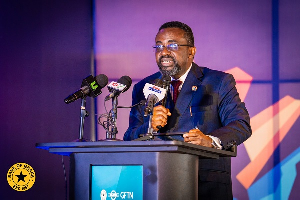
 Johnson Pandit Asiama is the Governor of Bank Of Ghana
The Bank of Ghana is projecting that inflation could rise above 10% by the end of 2026 if international crude oil prices remain elevated.
According to an internal projection model used to guide monetary policy decisions and the Bank’s inflation-targeting framework, inflation could come under pressure if crude oil prices stay above US$100 per barrel throughout June.
A rise above 10% would push inflation beyond the Bank of Ghana’s upper target band for the year and the medium term.
The projection forms part of several scenarios considered by the central bank and is not being treated as a major concern at this stage.
The bank is also monitoring the impact of higher crude oil prices on fuel costs, transport fares and utility tariffs, all of which could contribute to inflationary pressures in the coming months.
The outlook could influence decisions at the next Monetary Policy Committee meeting scheduled for July 20–22, 2026.
Analysts say policymakers may choose to maintain the policy rate or increase it if inflation risks intensify.
An increase in the policy rate could put upward pressure on interest rates. The Ghana Reference Rate stood at 10.03% in May 2026.
Speaking at the Ghana–UK Investment Summit, Johnson Pandit Asiama said developments in the Middle East could force the Monetary Policy Committee to pause further rate cuts.
He, however, indicated that the committee could move quickly to review rates if conditions improve.
Some analysts have also identified developments in the Middle East as a key risk to Ghana’s economic stability if the situation persists.

Copyright © 1994 - 2026 GhanaWeb. All rights reserved.










