



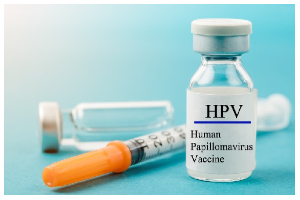
 The nationwide HPV vaccination for girls aged nine to 14 has ended
Ghana made history on Tuesday, October 7, 2025, by introducing the Human Papillomavirus (HPV) vaccine into its national immunisation programme to protect girls aged nine to 14 years from cervical cancer.
It was previously introduced in 2013 with a three-dose schedule, but it is now administered as a lifetime single dose to protect against high-risk HPV types that cause cervical cancer and genital warts.
Human Papillomavirus
According to the World Health Organisation, Human Papillomavirus (HPV) is the name of a group of 200 known viruses.
Although it does not cause concerns in most people, infection with some high-risk types is common and can cause genital warts or cancer.
The nationwide exercise
The five-day campaign, which ran from October 7 to 11, 2025, was carried out mainly in schools across all regions, while health facilities served as vaccination points for girls who were not in school.
GHS begins vaccination against HVP nationwide
It targeted over 2.5 million young girls across the country.
Implemented with support from the Ministry of Education, the WHO, UNICEF, and other key partners, the initiative marked a major milestone in Ghana’s fight against cervical cancer.
During the campaign, trained health workers administered the HPV vaccine in two doses, given several months apart, to ensure maximum protection.
The Minister of Health, Kwabena Mintah Akandoh also gave the assurance that the vaccines are safe.
“Let me assure you that this HPV vaccine is safe, effective, and Ghana is not the first country to administer the vaccine. At best, we are joining other African countries like Rwanda, South Africa and Botswana,” he said.
Over 30,000 girls to be vaccinated against HPV in Kumasi
Vaccinations were given across schools, health facilities, and community centres, ensuring that as many eligible girls as possible were reached.
The HPV vaccine was provided free of charge under Ghana’s Expanded Programme on Immunisation (EPI), supported by the government, Gavi, and the WHO.
According to the Ghana Health Service, the HPV vaccine offers lifelong protection against the virus.
It also aligns with global efforts to eliminate cervical cancer as a public health threat reflecting the government’s long-term commitment to strengthening preventive healthcare and reducing cancer-related deaths among women.
“Now, our vaccination is going to be a single-dose vaccination. So, when you get it once, you will be protected for life,” the Acting Greater Accra Regional Director of the GHS, Dr Robert Amesiya explained.
With this milestone, Ghana joins a growing number of African countries taking proactive steps to protect young girls and future generations from cervical cancer.
After the mass vaccination campaign, HPV, which prevents cervical cancer accountable for almost 2,000 deaths annually, will become part of the country’s routine vaccination schedule.
JKB/AE
'No food, just books' - A.B.A. Fuseini speaks on daughter's law school journey

Copyright © 1994 - 2026 GhanaWeb. All rights reserved.










