



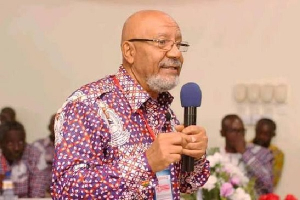
 Anis Haffar is a Ghanaian educationist
Education system in Ghana has been criticised by educationist Anis Haffar, who described the approach to teaching and learning in traditional universities as outdated and ineffective.
In an interview with Kafui Dey, Anis Haffar said many traditional universities remain stuck in old methods that focus heavily on theory with little or no hands-on experience. According to him, this model does not prepare students for the job market.
He explained that students spend their entire time in university attending lectures from first year to fourth year only listening to lecturers, after which they are awarded certificates without gaining practical skills.
What are the guidelines, vision of Ghana’s education system? - Anis Haffar quizzes
“If you look at universities here, they are all archaic. These traditional universities, there’s no use for them. Who employs you because you’ve been sitting, listening to lectures? First year, you are listening to lectures. Second year, you are listening to lectures. Third year, you are listening to lectures. Fourth year, you are listening to lectures,” he said.
The educationist argued that this system makes it difficult for graduates to secure employment because they lack practical experience. He noted that when graduates enter the job market and are asked what experience they bring, many have nothing tangible to show.
He said these challenges should serve as a wake-up call to education stakeholders to rethink how teaching and learning are structured in the country.
“They’ve stuck a certificate under your armpits. Now go and find a job. When you go there, they ask you, what have you done? What experience are you bringing on board? Charlie, I was listening to lectures. That should really inform us that the system that we have is mostly archaic,” he stated.
According to the educationist, effective teaching should begin with real, practical experiences that learners can see, touch, and relate to, before moving on to theoretical explanations.
He explained that students understand concepts better when they are first exposed to real-life examples, hands-on activities, or practical problems, which are later linked to underlying theories.
“We have to move from the abstractions into the concrete. When we are teaching, we have to start from the concrete into abstractions,” he added.
Watch the video below:
“Chale who will employ you because you’ve been sitting, listening to lectures. The universities we have in Ghana are mostly archaic” - Anis Haffar
Full video here https://t.co/dksmbjaJwK #KafuiDeyInterviews pic.twitter.com/m0FKYl2J4e
— Kafui Dey (@KafuiDey) December 16, 2025

Copyright © 1994 - 2026 GhanaWeb. All rights reserved.










