



 Many high-quality organic juices are also free from artificial colours, flavours and preservatives
Over the past decade, organic juices have become increasingly popular among health-conscious consumers seeking natural ways to improve their diets and support overall wellbeing.
Supermarket shelves and health stores now feature an expanding range of cranberry juice, pomegranate juice, beetroot juice, tart cherry juice and other fruit-based beverages marketed for their nutritional value.
But beyond the marketing claims, what does the scientific evidence actually say?
The answer is both encouraging and nuanced. While organic juices can contribute valuable nutrients and plant compounds to a balanced diet, they are not miracle products and should be viewed as part of a healthy lifestyle rather than a substitute for it.
What Makes Organic Juice Different?
Organic juices are typically produced from fruits grown without the routine use of synthetic pesticides, herbicides or genetically modified organisms, depending on the certification standards under which they are produced.
Many high-quality organic juices are also free from artificial colours, flavours and preservatives, allowing consumers to enjoy products that are closer to their natural state.
However, the term "organic" alone does not automatically make a juice healthier. Factors such as added sugar, processing methods and fruit concentration remain important considerations when evaluating nutritional quality.
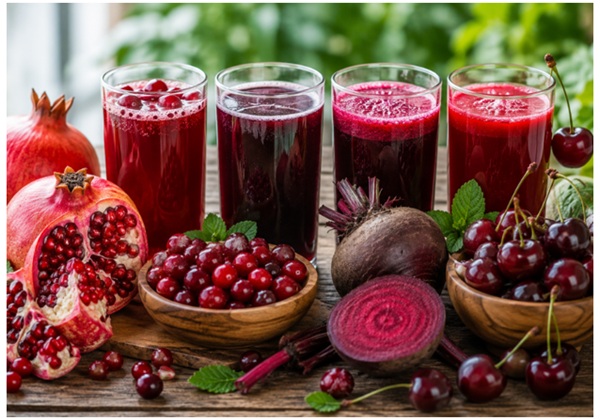
A Rich Source of Plant Compounds
Fruit juices naturally contain vitamins, minerals and a wide range of bioactive plant compounds known as polyphenols. These compounds function as antioxidants, helping to protect cells from oxidative stress generated by normal metabolism and environmental factors.
Research suggests that diets rich in fruits and vegetables are associated with better long-term health outcomes, although scientists generally attribute these benefits to overall dietary patterns rather than any single food or beverage.
For this reason, experts continue to recommend consuming a variety of fruits, vegetables and whole foods alongside moderate amounts of fruit juice.
Cranberry Juice and Urinary Health
Among the most extensively studied juices is cranberry juice.
Several clinical studies suggest that cranberry products may help reduce the recurrence of urinary tract infections in certain individuals by limiting the ability of bacteria to attach to the urinary tract lining.
However, cranberry juice is not considered a treatment for an active infection and should not replace medical care when symptoms develop.
Consumers seeking cranberry juice should also pay attention to sugar content, as many commercially available products contain significant amounts of added sweeteners.
Pomegranate Juice and Heart Health
Pomegranate juice has attracted scientific interest because of its high concentration of polyphenols. Some research indicates that these compounds may support cardiovascular health by contributing to healthy blood vessel function and reducing oxidative stress.
While findings remain promising, experts caution that pomegranate juice should complement, not replace, established lifestyle measures such as healthy eating, physical activity and appropriate medical management when necessary.
Beetroot Juice and Exercise Performance
Beetroot juice has become popular among athletes due to its naturally occurring nitrates.
Within the body, dietary nitrates can contribute to nitric oxide production, which supports blood vessel function and may improve exercise efficiency during certain forms of endurance activity.
The magnitude of these effects varies between individuals, and beetroot juice should be viewed as one component of a broader nutrition strategy.
Tart Cherry Juice and Recovery
Tart cherry juice has been investigated for its potential role in supporting recovery following strenuous exercise.
Some studies suggest that its antioxidant and anti-inflammatory compounds may assist with muscle recovery and soreness after intense physical activity.
Although research continues, many athletes incorporate tart cherry juice into recovery routines alongside proper hydration, nutrition and rest.
Whole Fruit Still Matters
While juices provide valuable nutrients, they generally contain less dietary fiber than whole fruits. Fiber contributes to digestive health, satiety and blood sugar regulation, making whole fruit an important part of a balanced diet.
For this reason, nutrition experts often recommend enjoying juice in moderation while maintaining adequate intake of fresh fruits and vegetables.

Choosing Quality Organic Juices
Not all juices are created equal.
Consumers are encouraged to read product labels carefully, looking for juices with minimal added ingredients and high fruit content.
Products stored and transported under appropriate conditions also help preserve quality and freshness.
For those seeking quality organic juices available in Ghana, choosing reputable retailers that prioritize trusted suppliers, proper storage and transparent product information can help ensure consumers receive authentic products that meet recognized quality standards.
Beyond the Bottle
No juice, whether organic or conventional, can replace the benefits of a balanced diet, regular physical activity, adequate sleep and routine healthcare.
The strongest scientific evidence continues to support an overall healthy lifestyle rather than reliance on any single food or supplement.
Organic juices can certainly contribute valuable nutrients and beneficial plant compounds, but their greatest value lies in complementing healthy daily habits rather than acting as standalone solutions.

The Bottom Line
Current scientific evidence suggests that many organic juices contain naturally occurring compounds that may support aspects of human health when consumed as part of a balanced diet.
Cranberry juice may support urinary tract health in some individuals. Pomegranate juice contains compounds associated with cardiovascular health. Beetroot juice may assist exercise performance, while tart cherry juice shows promise for recovery following intense physical activity.
Yet perhaps the most important conclusion is that lasting wellness is built through consistent healthy choices over time.
Choosing nutritious foods, remaining physically active, seeking evidence-based health information and purchasing products from trusted sources together provide a stronger foundation for wellbeing than any single product ever could.
About the Author
Uprise Health Shop is a Ghanaian health and wellness retailer established in 2005, specializing in vitamins, nutritional supplements, medicinal teas, organic juices and whole foods.
Through its retail branches and nationwide online platform, the company is committed to promoting preventive healthcare and helping Ghanaians make informed wellness choices.

Copyright © 1994 - 2026 GhanaWeb. All rights reserved.










