



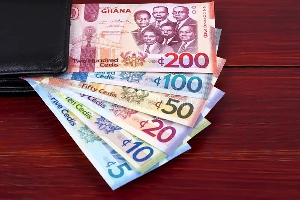
 Photo of cedi notes
The Bank of Ghana (BoG) says it anticipates the cedi will remain stable in the coming months, supported by easing pressure on the foreign exchange market.
According to the Central Bank, recent improvements have been driven by its Forex Intermediation and FX Intervention programmes, which boosted dollar supply and helped reduce strain on the local currency.
In its latest Monetary Policy Analysis, the BoG revealed that the cedi recorded its first monthly appreciation of more than 3% in June 2026.
To further strengthen liquidity, the Bank plans to inject about US$1 billion into the market in July through its Forex Intermediation Programme.
Data reviewed by Joy Business indicates that demand conditions which fueled depreciation in the first quarter have begun to ease. This is largely due to businesses completing major import restocking, alongside measures introduced to manage foreign exchange demand.
“The Bank of Ghana’s FX intermediation programme helped moderate pressures on the cedi that came from frontloading of demand, particularly from the energy sector,” the Bank noted, adding that the initiative will continue to improve liquidity and curb speculative dollar demand.
Currently, commercial banks are selling the US dollar at about GH¢11.55, while forex bureaux are offering it at around GH¢12.30.
The BoG also expects higher inflows from remittances and development partners to bolster reserves.
Remittance inflows are projected to rise between the second and third quarters, while Ghana anticipates US$380 million in IMF support and an additional US$240 million in July 2026.
Improved investor confidence, following Ghana’s recent Fitch credit rating upgrade and the government’s early Eurobond repayment, is also expected to strengthen the country’s external position.
DR/SA
Inside the AI revolution that could save lives on Ghana's roads

Copyright © 1994 - 2026 GhanaWeb. All rights reserved.










