



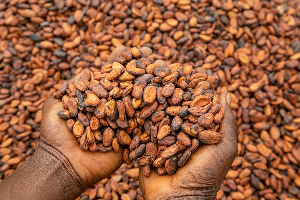
 Cocoa is a key export commodity for Ghana
Global cocoa prices have fallen after new figures from Côte d'Ivoire showed stronger-than-expected cocoa supplies, easing fears of an immediate shortage and prompting traders to sell after recent price gains.
The drop comes just weeks after cocoa prices climbed sharply, with New York cocoa reaching a six-month high and London cocoa hitting its highest level in more than nine months.
Latest data show that farmers in Côte d'Ivoire, the world's largest cocoa producer, shipped about 2.07 million metric tonnes (MMT) of cocoa to ports between October 1, 2025, and July 5, 2026. This represents a 21 percent increase compared to the same period last year, indicating that more cocoa is reaching the global market than previously expected.
COCOBOD releases GH¢2.6 billion to settle cocoa farmer payments
Another reason for the price decline is the increase in cocoa stocks. Cocoa inventories held in ICE-certified warehouses have risen to nearly 3.14 million bags, their highest level in almost two years. Higher inventories usually signal that there is enough cocoa available, which tends to push prices lower.
Despite the recent fall, experts in the sector say cocoa prices could rise again because several risks remain.
Heavy rainfall in both Ghana and Côte d'Ivoire has flooded roads, making it difficult for farmers to transport cocoa from farms to buying centres and ports. The wet conditions have also increased the risk of crop diseases such as black pod and brown rot, which can reduce harvests.
There are also concerns about the weather later this year. Forecasters expect the developing El Niño weather pattern to become one of the strongest in decades. El Niño often brings hotter and drier conditions to West Africa, putting cocoa trees under stress and reducing production.
Additionally, early surveys in Côte d'Ivoire also suggest that next season's cocoa crop could be smaller than expected because of poor pod development.
What does this mean for Ghana?
For Ghana, the world's second-largest cocoa producer, lower international cocoa prices could reduce export earnings if the decline continues. Cocoa remains one of Ghana's biggest sources of foreign exchange, so prolonged price weakness could affect government revenue and the wider economy.
However, any major weather-related disruptions in Ghana or Côte d'Ivoire could tighten global supplies again and send prices back up.
Demand for cocoa also presents a mixed picture. Cocoa processing declined in North America and Europe during the first quarter of the year, suggesting weaker demand. However, demand improved in Asia, while Barry Callebaut, the world's largest cocoa processor, recently reported its first increase in quarterly sales volumes in more than two years.
For now, cocoa prices are expected to remain volatile as traders closely monitor weather conditions, crop developments and global demand.
With additional files from BarChart.com
MA

Copyright © 1994 - 2026 GhanaWeb. All rights reserved.










