



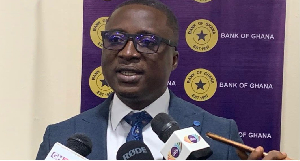
 Godfred Cudjoe is the Head of the Credit Reporting Unit at BoG
The Bank of Ghana (BoG) has launched a financial literacy programme for selected senior high schools aimed at equipping students with the knowledge and skills needed to make informed financial decisions and become financially independent.
According to the Head of the Credit Reporting Unit at the Financial Stability Department of the Bank of Ghana, Godfred Cudjoe, the initiative seeks to instill sound financial habits in students at an early age, enabling them to manage their finances effectively and share the knowledge with their families.
“So the Bank of Ghana, in its own wisdom, decided that we should engage senior secondary school students and provide them with this kind of education so that once they understand these concepts, they will become financially independent. They will also be able to guide their parents when making financial decisions,” he said.
GACL deploys advanced screening technology at Terminals 2 and 3
The programme, which is being rolled out in selected senior high schools across the Western Region, includes Archbishop Porter Girls’ Senior High School, Adiembra Senior High School and Mpohor Senior High School, among others.
The financial literacy sessions cover responsible savings and investment practices, how to identify Bank of Ghana-licensed financial institutions, safeguarding personal bank accounts and PINs, identifying suspicious signs of financial fraud, consumer complaint procedures, and the proper handling of the Ghana cedi.
Students are also being educated on the security features of Ghana’s currency notes to help them identify genuine notes and detect counterfeit ones.
At Archbishop Porter Girls’ Senior High School in Takoradi, students actively participated in an interactive session where facilitators explained banking services, consumer rights and responsibilities, as well as the role of the Bank of Ghana in regulating financial institutions and maintaining monetary stability.
Participants described the programme as insightful, with students highlighting the importance of protecting personal banking information, including PINs and login credentials, from fraudsters.
“I have learned that I should never share my PIN code or any of my banking login details with anyone. I can attest to the fact that today’s programme was very impactful, and I believe it is going to have a significant impact on my life,” one student participant said.
Beyond students, teachers were also taken through financial literacy lessons to strengthen their understanding of responsible financial management and enable them to make informed decisions in their personal financial transactions.
The Bank of Ghana says the campaign forms part of its broader efforts to promote financial inclusion and deepen financial literacy among young people and the wider public.
DR/MA

Copyright © 1994 - 2026 GhanaWeb. All rights reserved.










