



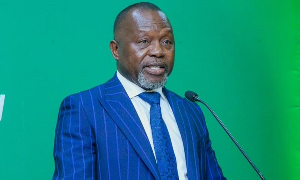
 Dr Dominic Akuritinga Ayine is Ghana's Attorney General
Parliament has passed the Public Tribunals Bill, 2026, a legislation that creates the legal framework for the establishment and operation of public tribunals in Ghana.
The Bill was passed on July 16, 2026, despite a walkout by the Minority in Parliament and strong opposition from the Trades Union Congress (TUC), which had called for the legislative process to be halted.
What is the Public Tribunals Bill, 2026?
The Public Tribunals Bill, 2026 is designed to regulate the establishment, jurisdiction, composition and functioning of public tribunals in accordance with the 1992 Constitution.
It also establishes a Tribunal Oversight Committee to supervise the administration and performance of tribunals.
The Bill aims to strengthen the justice delivery system in the country and reduce case backlogs, provide faster adjudication for high-priority cases such as economic crimes, illegal mining (galamsey), tax offenses, and corruption-related matters.
It also seeks to activate constitutional provisions under Articles 126 and 142, which provide for tribunals as part of Ghana’s judicial system.
The Minister of Justice and Attorney General, Dr Dominic Akuritinga Ayine, has argued that the tribunals are intended to help reduce case backlog in the courts, close gaps in the justice system, and enhance citizen participation in adjudication.
Why the Minority walked out of Parliament over the Tribunals Bill 2026
Structure and Jurisdiction
The Bill proposes a two-tier tribunal system, Regional Tribunals which will operate alongside the High Court with concurrent jurisdiction over selected criminal matters, including economic crimes, narcotics offenses, tax-related offenses among others.
District Tribunals will share jurisdiction with Circuit Courts for specified criminal matters, excluding treason, capital offenses, and cases triable on indictment.
Key features
The public tribunals will be made up of members, including legally qualified chairpersons and citizen panel members, will be appointed under defined procedures.
The Bill outlines rules for appointment, discipline, retirement, removal, and a code of conduct for tribunal members. Decisions of tribunals will be subject to appellate review, ensuring fairness and adherence to due process.
JKB/VPO
Mahama Ayariga speaks on Kwame Frimpong’s seat in Parliament

Copyright © 1994 - 2026 GhanaWeb. All rights reserved.










