



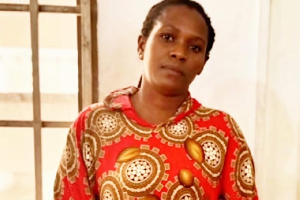
 Camila Alhassan was sentenced to a year in jail for comments made on TikTok
For individuals following Ghana’s social media landscape, the trend over the last two years has not been about clothes or shoes, but increasingly about lawsuits and arrests.
Since 2025, several creators have found themselves before the courts over allegations that their online content crossed the line from free expression into criminal conduct.
TikTok creator Camilla Alhassan is the latest example. She was sentenced to one year in prison after admitting to offensive conduct in videos where she made unsubstantiated claims about President John Dramani Mahama.
Prosecutors said the videos alleged that the President sacrificed 32 cows to win the 2024 elections, along with other unverified claims.
The court explained that the sentence was meant to deter the growing spread of false and offensive content on social media.
Her case follows that of X influencer Webkid Africa, who was granted bail after being held over allegations stemming from posts involving musician Stonebwoy.
According to court documents, he faces six charges, including publishing false news and offensive conduct.
His case is still before the courts, meaning the allegations have not been proven.
Camilla and Webkid are not isolated examples.
TikTok creator Mahama Aminat, was also arrested over alleged threats directed at President Mahama and the First Lady.
Self-acclaimed prophet and content creator Ebo Noah was also arrested in 2025 after his claims that Ghana and parts of Africa would be flooded made international headlines.
But what does the law say?
Most of these cases rely on provisions in Ghana's Criminal Offences Act, 1960 (Act 29).
Section 207 – Offensive Conduct Conducive to Breach of the Peace
This provision criminalises the use of threatening, abusive or insulting words or behaviour likely to provoke a breach of the peace.
It is the offence for which Camilla Alhassan was convicted. As a misdemeanour, it can attract a custodial sentence.
Section 208 – Publication of False News
This section deals with knowingly publishing false information that is likely to cause fear, panic or disturb public order. It has been used in charges against several content creators, including Webkid and and Ebo Noah.
While there are no specific laws for social media behavior, the Criminal Offences Act, 1960 (Act 29) has always existed, and is now being enforced in this context.
The bigger question: Free Speech vrs Censorship
The arrests have unsurprisingly ignited a debate, should Ghana draw the line between freedom of expression and criminal liability online.
Many critics have argued that Africa argues that such laws are increasingly being used against speech-related offences and are politically motivated.
The common saying is that ‘it was just on social media, it’s not that deep.’
But others argue that misinformation and hate speech remain serious problems that content creators should avoid.
The common saying, ‘Free speech does not mean consequence-free speech’ has been a main response.
But this brings the question, has the era of "post first, apologise later" come to an end for Ghana's influencers?
ID/EB
Talkertainment: Enyo Trey shares dreams and aspirations as a rising artiste

Copyright © 1994 - 2026 GhanaWeb. All rights reserved.










