



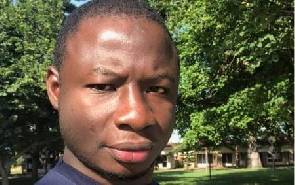
 The late Ahmed Suale, Investigative journalist
Eight years after the killing of Ahmed Suale, a lead investigator with Tiger Eye Private Investigations (PI) who helped expose alleged corruption in Ghanaian football, his family says it will petition the government over perceived links between the crime and former Member of Parliament, Kennedy Ohene Agyapong.
Speaking on condition of anonymity at the family’s residence in Madina, a paternal uncle of Suale described the eight-year delay in arrests as “reprehensible,” noting that several investigative leads pointed to Agyapong, yet the police have failed to identify or apprehend the perpetrators.
The family expressed hope that President John Dramani Mahama, upon receiving their petition next week, would act swiftly to ensure justice is served “irrespective of colour or status” in Ghanaian society.
Ahmed Suale, who worked closely with investigative journalist Anas Aremeyaw Anas on the widely publicised #Number12 football corruption exposé, was shot dead in Madina on 16 January 2019.
Eyewitnesses reported that two assailants on a motorcycle carried out the attack.
The murder followed a period of public threats allegedly made by
Agyapong.
During the release of the #Number12 video in July 2018, the then MP for Assin Central publicly called for “retribution” against Suale on television.
In an earlier incident, about two and a half years prior, Agyapong allegedly threatened Suale on Net 2 TV, urging viewers to assault him after his photograph was displayed on screen.
International organisations, including Reporters Without Borders (RSF), have repeatedly condemned such threats. RSF’s West Africa Director, Assane Diagne, warned that “the last journalist to have been threatened by Kennedy Ohene Agyapong met a tragic end,” and urged authorities to prosecute those responsible while ensuring the safety of journalists such as Erastus Asare Donkor, who has also reportedly faced threats.
The Ghana Police Service has previously interrogated both Agyapong and former Ghana Football Association President, Kwesi Nyantakyi, as part of the investigation.
Police say several significant leads are being pursued to identify those responsible.
The killing of Suale, a key figure in exposing football corruption, has attracted widespread condemnation locally and internationally.
Journalist associations, civil society groups, and even a United States congressman have called for a thorough investigation, describing the case as a serious affront to democracy and press freedom in Ghana.
As the Suale family prepares to formally petition the government, the unresolved case continues to serve as a stark reminder of the dangers faced by investigative journalists in the country.

Copyright © 1994 - 2026 GhanaWeb. All rights reserved.










