



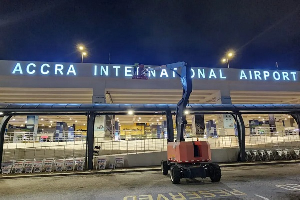
 Accra International Airport (File photo)
Concerns are mounting among sections of the Ghanaian public over what they describe as a growing culture of begging at the Accra International Airport, a development they fear could undermine the country’s international image.
Frequent users of the airport have taken to social media to express frustration over what they allege has become a widespread practice of individuals soliciting money, commonly referred to as “nokofio”, from passengers and visitors.
According to several online posts, the phenomenon is no longer isolated, with travellers claiming that such requests have become increasingly common across different sections of the airport, making it a routine and uncomfortable experience for both local and international passengers.
Critics argue that the trend risks creating an unpleasant environment at Ghana’s premier international gateway and could potentially damage the country’s reputation as a welcoming destination for tourism, business, and investment.
They are calling on airport authorities and relevant state agencies to investigate the situation and implement urgent measures to curb the practice before it escalates further.
In response to the concerns, the Ghana Airports Company Limited has reiterated its commitment to combating extortion and other misconduct within airport terminals.
The company says it continues to hold regular stakeholder engagements with all agencies operating at the airport, noting that these discussions have recently led to measurable improvements in service standards and passenger experience.
To further protect travellers, the company has also introduced a dedicated hotline for reporting incidents of extortion. The number is displayed on flight information screens and at key locations across the terminal.
Passengers are encouraged to report any incidents, including the names of individuals involved and their respective agencies, via call, text, or WhatsApp on 0542175636 to enable swift investigation and appropriate action.
See the post and response by GACL below:

Copyright © 1994 - 2026 GhanaWeb. All rights reserved.










